 Save
Save I discovered this dip by accident on a Tuesday afternoon when I had a bunch of carrots getting soft in the crisper drawer and a knob of ginger that needed using. The roasting part was almost meditative—watching them slowly turn golden while I tidied the kitchen, and suddenly my whole place smelled like caramelized vegetables and something warm and spicy. It became the kind of thing I make whenever I need something that feels both comforting and bright, especially when people are coming over and I want to offer something that tastes like I actually know what I'm doing.
I remember bringing this to a dinner party and watching someone's face light up as they tried it with a raw carrot stick—the irony wasn't lost on them. Someone else immediately started planning how to use it as a sandwich spread, and that's when I realized it was the kind of flexible recipe that just works. It's become one of those things I pull out whenever I want to feel like I've got my life together in the kitchen.
Ingredients
- Carrots, 500g, peeled and chunked: The backbone of everything here—the longer you roast them, the sweeter they get, so don't rush this part.
- Fresh ginger, 1 tablespoon chopped: This is what separates a boring carrot dip from something memorable; don't skip it or substitute with powdered ginger, it's not the same animal.
- Garlic, 1 small clove: One clove is honestly all you need—it roasts into something subtle and sweet, not aggressive.
- Tahini, 2 tablespoons: This is your secret weapon for creaminess without dairy; it brings both richness and a grounding nuttiness.
- Extra-virgin olive oil, 2 tablespoons divided: Use good oil you actually like tasting—half for roasting, half for drizzling in at the end for silkiness.
- Lemon juice, 1 tablespoon: The acid that wakes everything up and keeps the color from turning muddy.
- Honey or maple syrup, 1 teaspoon: Just enough to echo the caramelization of the roasted carrots, not to make it sweet.
- Ground cumin, ½ teaspoon: Toasted and earthy, it's the spice that makes people pause and wonder what that flavor is.
- Salt and black pepper: Taste as you go—different salts have different intensities, and you're the only one who knows your palate.
- Fresh cilantro and sesame seeds for garnish: Optional but honestly worth the extra handful of cilantro from the store; it adds a fresh finish.
Tired of Takeout? 🥡
Get 10 meals you can make faster than delivery arrives. Seriously.
One email. No spam. Unsubscribe anytime.
Instructions
- Heat your oven and prep the vegetables:
- Get your oven to 200°C and while it's warming up, peel and chunk your carrots into roughly 2-inch pieces so they roast evenly. Toss them with your garlic clove, 1 tablespoon of olive oil, and a pinch of salt on a baking sheet.
- Roast until they're golden and tender:
- This is the most important step—you're looking for about 25 to 30 minutes until the edges are caramelized and the flesh is soft enough to squish easily. The smell alone will tell you when you're close.
- Let them cool and gather your processor:
- Give the roasted carrots a few minutes to cool so you don't burn yourself, then scrape everything into your food processor.
- Blend it smooth:
- Add the ginger, tahini, lemon juice, honey, cumin, salt, and pepper to the processor and blend until completely smooth. Drizzle in the remaining olive oil while it's running, and if it's too thick, splash in a tiny bit of water at a time until it's the consistency you want.
- Taste and adjust:
- This is crucial—taste it now and decide if it needs more salt, lemon, or anything else. Your palate is the judge.
- Finish and serve:
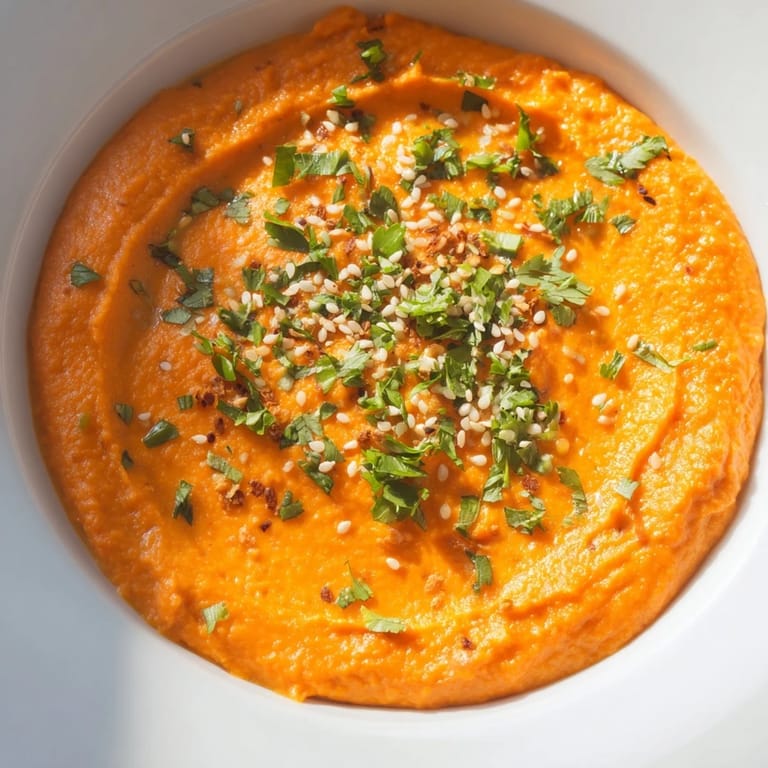
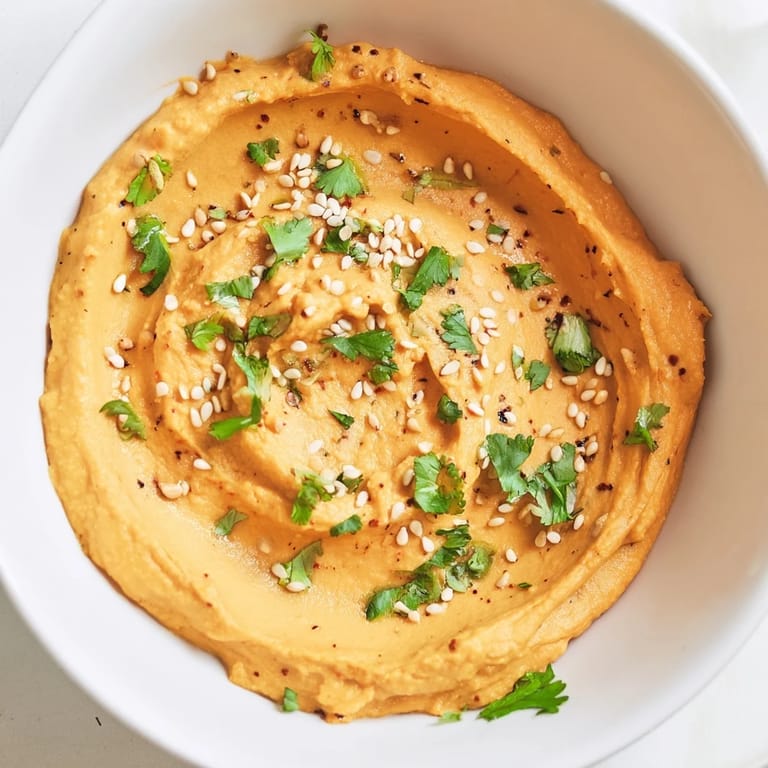
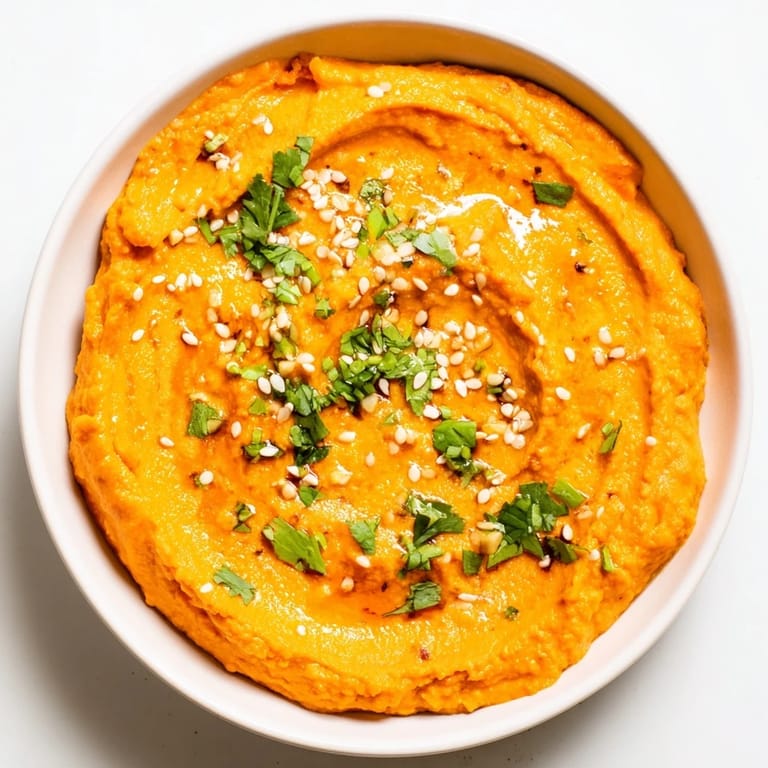
- Scoop it into a bowl, sprinkle cilantro and sesame seeds on top if you're feeling it, and put it out with whatever you're serving—raw vegetables, pita chips, crackers, or just a spoon if you're honest.
 Pin it
 There was this moment when I brought this to someone's apartment and they used it on toast the next morning for breakfast, which I had never even considered. That's when I realized it transcended the appetizer category and became this useful, everyday thing that just made food taste better and made me feel capable.
Why This Works As a Crowd Pleaser
The beauty of this dip is that it hits multiple dietary needs at once—it's vegetarian, gluten-free, and dairy-free without feeling like any of those things. It's also genuinely delicious, which is the part that matters most. I've served it to people who eat everything and people who eat nothing, and it vanishes either way, which tells you something about balance and flavor.
Storing and Making It Ahead
Make this dip up to three days ahead and keep it in a sealed container in the fridge—it actually deepens in flavor as the spices settle and get to know each other. If it thickens up from sitting, just stir in a splash of water or lemon juice to loosen it back up. You can also freeze it for up to a month if you're the planning type, though it's so quick to make that you probably won't need to.
Variations and Ways to Make It Your Own
Once you understand how this dip works, you can play with it—add a pinch of cayenne for heat, swap in Greek yogurt for tahini if you want it lighter, or add a handful of fresh herbs like dill or mint. I've even roasted beets alongside the carrots before, which created this wild pink dip that looked like something from a fancy restaurant. The core method stays the same, and that's what makes it trustworthy.
- For heat, add a small pinch of cayenne or smoked paprika—start conservative because you can always add more.
- Greek yogurt works as a tahini substitute if you don't need dairy-free, and it makes the dip slightly tangy and lighter.
- Fresh herbs like cilantro, parsley, or mint can be blended in for extra brightness and personality.
 Pin it
 This dip represents something I've learned about cooking: sometimes the most impressive things come from using what you have and not overthinking it. It's become a quiet favorite, the kind of recipe that works whether you're feeding one person or ten, and that's the mark of something worth keeping around.
Frequently Asked Questions
- → How long should I roast the carrots?
Roast the carrot chunks for 25-30 minutes at 200°C (400°F) until tender and slightly caramelized for maximum flavor.
- → Can I adjust the texture of this blend?
Yes, you can add a splash of water or more olive oil during blending to reach your desired consistency.
- → What can I use instead of tahini?
For a lighter option, Greek yogurt works well, though it adds dairy to the mix.
- → How can I make this spread spicier?
Add a pinch of cayenne pepper during blending to introduce a gentle heat.
- → What are good serving suggestions?
Serve with fresh vegetables, pita chips, crackers, or as a spread on sandwiches.