 Save
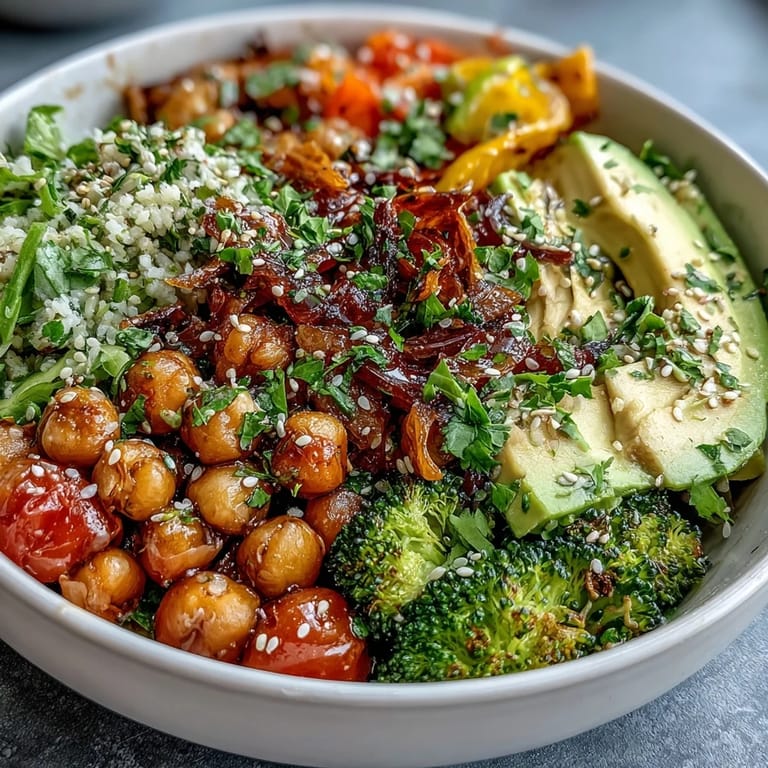
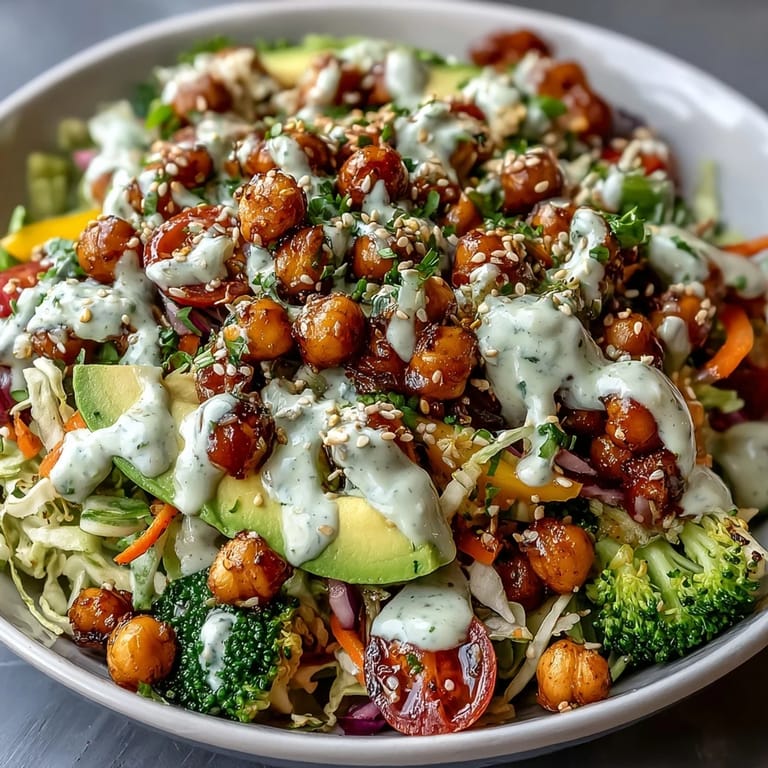
Save My roommate came home one afternoon with a farmers market bag overflowing with vegetables and announced she was tired of sad desk lunches. That evening, she assembled the first rainbow bowl on our kitchen counter—layers of color that looked almost too pretty to eat. I watched her drizzle that amber sesame ginger dressing over everything and tasted it immediately, and something clicked. This wasn't just healthy food; it was the kind of meal that made you feel genuinely good, sustained you through the afternoon, and somehow felt like self-care on a plate.
I made this for a potluck where everyone was supposed to bring something "healthy," and half the people there asked for the recipe before finishing their first bowl. The dressing was the revelation—that balance of nutty sesame oil, bright ginger, and lime somehow made even the raw cabbage taste exciting. That night convinced me that nourishing food doesn't have to be boring, and neither does bringing something to share.
Ingredients
- Brown rice or quinoa: Choose whichever grain you have on hand—rice is earthier and more forgiving, while quinoa cooks faster and adds a slight nuttiness that pairs beautifully with the dressing.
- Cherry tomatoes: Halving them releases their sweetness and makes them easier to eat in every bite.
- Red cabbage: Raw cabbage stays crisp throughout the day and provides a peppery contrast to the creamy avocado.
- Carrots: Shredding them thin means they absorb the dressing better and feel less heavy in the bowl.
- Yellow bell pepper: The color matters here—yellow is sweeter than green and makes the bowl feel festive.
- Broccoli florets: I keep mine raw most days because the crunch is part of the appeal, but steaming them for one minute softens them slightly if you prefer.
- Avocado: Add this just before eating or drizzle a little lime juice over it to prevent browning if you're meal prepping.
- Chickpeas: Canned and rinsed is fine, though I sometimes roast mine with a pinch of salt for extra crunch.
- Toasted sesame oil: This is non-negotiable—regular sesame oil is pale and bland, while toasted brings that deep, warm flavor that makes the dressing sing.
- Tamari or soy sauce: Tamari is naturally gluten-free and tastes slightly less salty, making it my preference for this dressing.
- Rice vinegar: Milder than white vinegar, it won't overpower the delicate ginger notes.
- Maple syrup or honey: Just a touch balances the salty and acidic elements without making the dressing sweet.
- Fresh ginger: Freshly grated makes all the difference—jarred ginger tastes tinny and metallic by comparison.
- Garlic and lime: These finish the dressing with brightness that ties everything together.
Tired of Takeout? 🥡
Get 10 meals you can make faster than delivery arrives. Seriously.
One email. No spam. Unsubscribe anytime.
Instructions
- Rinse and start your grains:
- Running the rice or quinoa under cool water removes excess starch and prevents the finished grain from being gummy. Add to a pot with fresh water, bring to a rolling boil, then lower the heat and cover—this is the point where you can step away and prep everything else.
- Wash and chop while the pot bubbles:
- Use this time wisely; your mise en place should be ready before the grain finishes cooking. A sharp knife makes this faster and safer, and uniform pieces mean everything finishes at the same time.
- Whisk the dressing together:
- Do this in a small bowl with a fork or whisk, making sure the maple syrup dissolves completely. Taste it and adjust—if it's too salty, add a squeeze of lime; if it's too tart, drizzle in a touch more maple syrup.
- Handle the broccoli your way:
- If you like a little give to your vegetables, bring a small pot of water to a simmer and steam the florets for exactly one minute, then shock them in ice water to stop the cooking. Otherwise, leave them raw—both versions are delicious, just different.
- Arrange everything in sections:
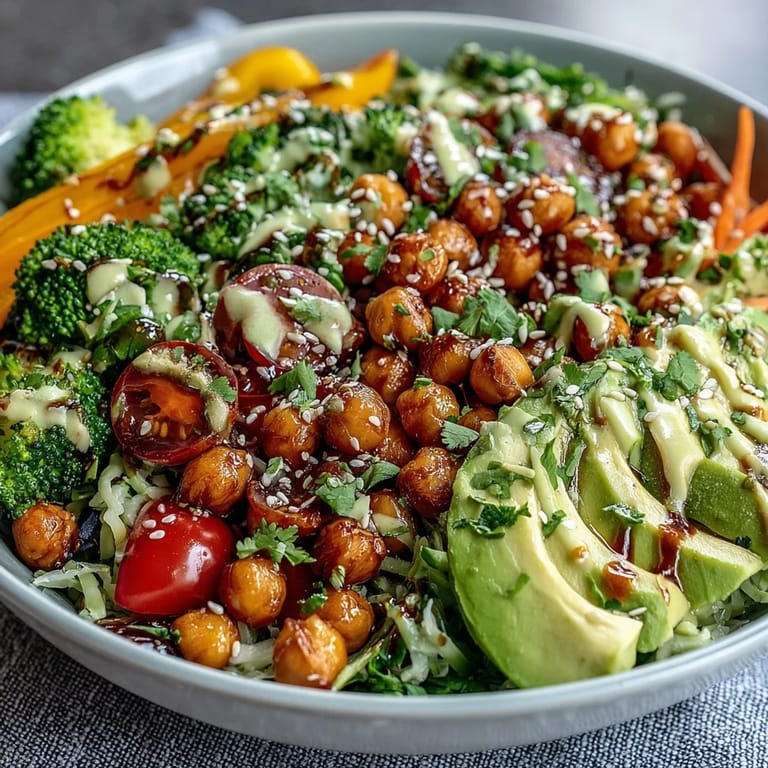
- This isn't just for looks; it means you get every color and flavor in each bite. Think of it like creating little compartments of vegetables around a grain base, with the avocado tucked in last.
- Dress generously and finish:
- Don't be shy with the dressing—this is what brings everything together. Scatter sesame seeds, cilantro, and green onions on top and serve right away so everything stays bright and crisp.
 Pin it
 There was a week when I ate this every single day for lunch, and instead of getting tired of it, I started experimenting—adding roasted peanuts one day, swapping the cilantro for mint another. What started as a simple bowl became a canvas for whatever I felt like eating, which is maybe the highest compliment a recipe can earn.
Why This Bowl Works as a Meal
The magic of a Buddha bowl is that it actually balances you—grains give you sustained energy, vegetables offer nutrients and fiber, protein from the chickpeas keeps you satisfied, and the dressing makes it all taste like you're treating yourself. It's not restrictive or punishing; it's the opposite. You're eating abundance and variety, which means you naturally get more nutrients and less boredom. I've noticed I don't crave snacks after eating this the way I do with lighter salads.
The Dressing Makes Everything Better
I learned early on that most vegetables taste decent, but a good dressing is what transforms a collection of chopped vegetables into something you actually want to eat. This sesame ginger dressing is so versatile that I started making it in larger batches—it's incredible over roasted vegetables, as a marinade for tofu, or even whisked into mayo for sandwiches. The ginger gives it this warm complexity that makes even simple raw cabbage taste sophisticated.
Room for Customization
The structure of this bowl is flexible in ways that matter. Some weeks I use whatever grains I have; other times I go for cauliflower rice if I'm eating lighter. The vegetable list is a suggestion, not a law—I've made beautiful versions with shredded beets, cucumber ribbons, roasted sweet potato, or edamame instead of chickpeas. The core stays the same: a grain base, something raw and crunchy, something creamy, something protein-rich, and that dressing tying it all together.
- Roasted tofu or tempeh adds a meaty texture if you want more substantial protein.
- A handful of fresh herbs like basil or shiso leaves brings unexpected freshness.
- Thinly sliced radishes add a peppery bite that cuts through the richness of the avocado.
 Pin it
 This bowl has quietly become the recipe I make most often, partly because it feels indulgent while actually being good for me. That combination is rare and worth holding onto.
Frequently Asked Questions
- → What vegetables work best in this bowl?
Cherry tomatoes, red cabbage, carrots, bell pepper, broccoli, and avocado create the classic rainbow. Feel free to substitute with whatever fresh vegetables are in season—cucumber, snap peas, radishes, or roasted sweet potatoes all work beautifully.
- → Can I make this ahead for meal prep?
Absolutely. Prepare the grains and vegetables in advance, storing them separately in airtight containers. Keep the dressing in a small jar. When ready to enjoy, simply warm the grains if desired and assemble with fresh dressing.
- → How can I add more protein?
Try grilled or baked tofu, tempeh, or edamame. For non-vegan options, cooked chicken or shrimp pair wonderfully with these flavors. You can also increase the chickpeas or add a soft-boiled egg on top.
- → What makes this dressing special?
The combination of toasted sesame oil provides rich nuttiness, while fresh ginger and garlic add brightness. Rice vinegar brings acidity, tamari contributes savory depth, and a touch of maple syrup balances everything with subtle sweetness.
- → Is this gluten-free?
Yes, when you use tamari instead of soy sauce. Tamari is a gluten-free soy sauce alternative that delivers the same savory flavor. Always double-check labels, especially for the sesame oil and other condiments.