 Save
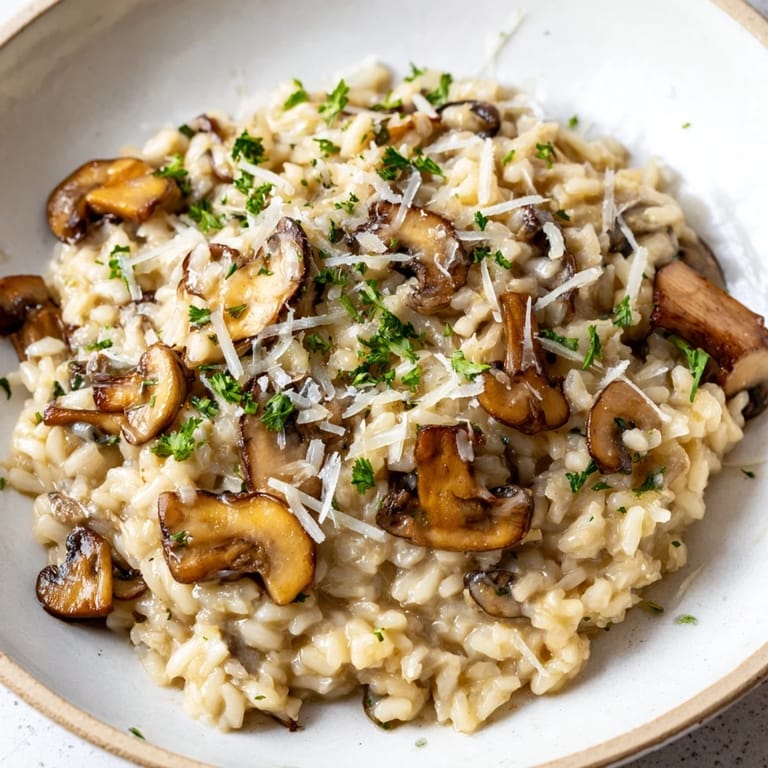
Save There was this Tuesday evening when my neighbor knocked on the door with a container of cremini mushrooms from her garden, and I realized I had exactly what I needed for risotto—nothing fancy, just rice, butter, and time. That night taught me that the best dishes aren't about complexity but about showing up and stirring with intention. Risotto became my meditation, the kind of cooking that demands your presence but rewards you with something genuinely silky and alive on the plate.
I made this for four friends on a rainy Saturday, and what struck me wasn't the praise but the silence—everyone just eating quietly, completely absorbed. That's when I understood risotto isn't about impressing people; it's about creating a moment where butter and cheese and rice somehow become enough to make everyone pause.
Ingredients
- Arborio rice (1½ cups): This short-grain rice has a starch that creates creaminess without cream—don't substitute with regular rice or you'll lose the entire texture of the dish.
- Cremini or button mushrooms (12 oz, sliced): Fresh mushrooms release moisture as they cook, which concentrates their flavor beautifully; buying them whole and slicing yourself makes a real difference compared to pre-sliced.
- Olive oil (1 tbsp) and unsalted butter (1 tbsp for cooking): The oil gets the mushrooms golden, while the butter deepens their taste—use good butter if you can, it matters here.
- Yellow onion (1 medium, finely chopped): Fine chopping means it dissolves almost invisibly into the risotto, creating sweetness and body rather than chunks.
- Garlic (2 cloves, minced): A minute of cooking after you add it is enough; any longer and it turns bitter and steals the show.
- Vegetable broth (4 cups, kept warm): Warm broth incorporates into the rice smoothly—cold broth will shock the grains and throw off your timing.
- Dry white wine (½ cup): The acid cuts through the richness and adds complexity; if you don't cook with wine, skip this rather than using something sweet.
- Parmesan cheese (½ cup grated, plus extra for serving): Grate it fresh if you have time—pre-grated has anti-caking agents that prevent it from melting as seamlessly.
- Unsalted butter (2 tbsp for finishing): This final butter emulsifies with the cheese to create that silky, luxurious finish; never skip this step.
- Salt and black pepper: Taste as you go; the broth and cheese are already salty, so you may need less than you'd expect.
- Fresh parsley (optional garnish): If you use it, add it at the last second so the color stays bright green.
Tired of Takeout? 🥡
Get 10 meals you can make faster than delivery arrives. Seriously.
One email. No spam. Unsubscribe anytime.
Instructions
- Sauté the mushrooms until they release their moisture and turn golden:
- Heat olive oil and 1 tablespoon butter over medium heat, add mushrooms, and let them cook undisturbed for a minute or two before stirring—this creates browning instead of steaming. They'll release liquid, then reabsorb it as it evaporates, about 6 to 8 minutes total; you'll know they're ready when they smell deep and savory.
- Build your flavor base with onion and garlic:
- In the same pan, add the chopped onion and cook until it turns translucent and soft, roughly 3 minutes; then add the minced garlic and cook for just 1 minute—the goal is sweetness, not browning. You should smell something gentle and inviting before moving to the rice.
- Toast the rice to seal its edges:
- Stir in the Arborio rice and keep stirring for about 2 minutes; you'll feel the grains becoming slightly firmer and see the edges of each grain turn translucent while the centers stay white and chalky. This toasting step matters—it prevents the rice from turning into mush later.
- Deglaze with wine and let it absorb:
- Pour in the white wine and stir constantly until the liquid almost disappears and you can smell the sweetness of the wine cooking off. This should take 2 to 3 minutes, and the rice will look almost dry when you're done.
- Add broth gradually, stirring constantly, until creamy:
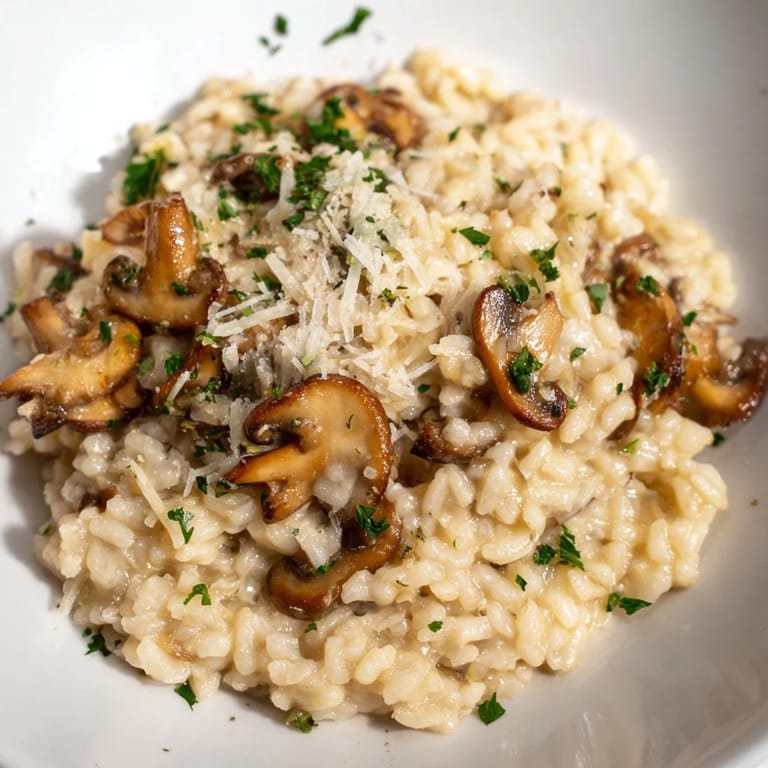
- Add one ladle of warm broth, stir frequently, and wait until you see the liquid mostly absorbed before adding the next ladle—this gradual addition is what builds creaminess. Continue for about 18 to 20 minutes; the rice should be tender enough to press between your fingers but still slightly firm, and the whole mixture should move like lava on the plate.
- Finish with mushrooms, butter, cheese, and seasoning:
- Return the sautéed mushrooms to the pan, then stir in the 2 tablespoons of butter and the grated Parmesan cheese; taste and adjust salt and pepper carefully. Cook for just 2 more minutes until everything is heated through and glossy, then serve immediately so the rice doesn't continue absorbing liquid and lose its flow.
 Pin it
 My mother tasted this once and said it reminded her of a risotto her aunt made in Italy, which made me realize recipes are really just keys that unlock different memories for different people. That's the quiet magic of learning to cook well—you're not just following steps, you're gathering moments.
Mushroom Choices and Flavor Depth
Cremini and button mushrooms are reliable, but if you want to experiment, a mix of wild mushrooms—oyster, shiitake, or porcini—creates more complex earthiness and makes the dish feel special. If you go the porcini route, soak a small handful in hot water first and use that soaking liquid as part of your broth for an almost umami punch. I've found that the type of mushroom you choose actually changes the whole mood of the dish, so don't feel locked into one variety.
Pairing and Serving
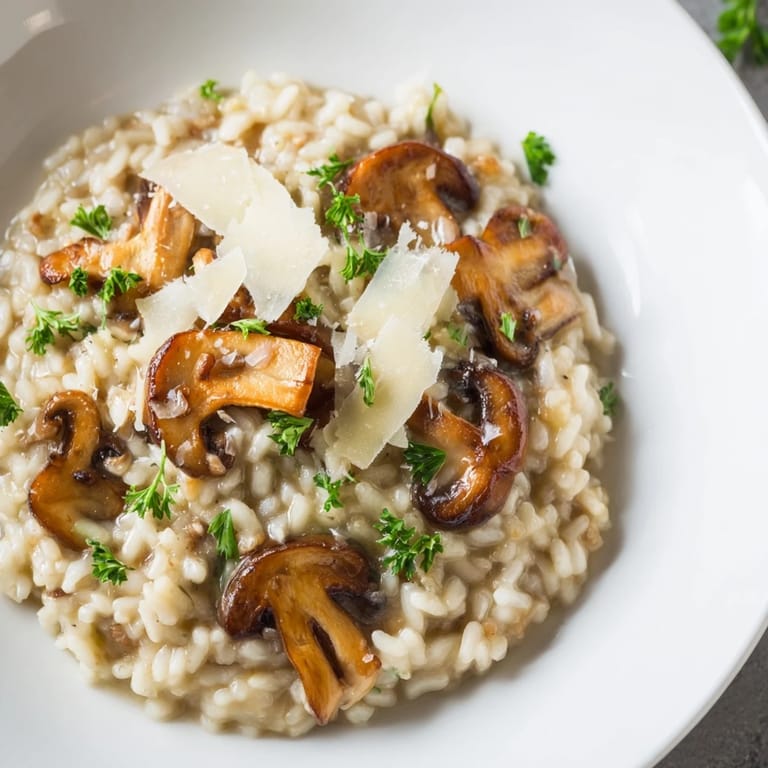
Serve this risotto immediately while it's creamy and flowing on the plate, because its texture is built on perfect timing and heat. A crisp white wine like Pinot Grigio or Sauvignon Blanc cuts through the richness beautifully, creating a balance that makes each bite feel lighter. I've also served it alongside a simple green salad to add brightness, or even with roasted asparagus if you want something green without competing for attention.
Storage, Substitutions, and Flexibility
Risotto doesn't keep well in the traditional sense, but you can make it a couple of hours ahead and store it in the fridge; when you're ready to eat, warm it gently in a pan with a splash of broth or water to restore the creamy flow. If you're vegetarian as written, this dish is perfect as-is, but if you want to swap vegetable broth for chicken broth, go ahead—it's equally delicious and gives the mushrooms a slightly different backdrop. You can also skip the wine entirely if you prefer, though it does add a brightness that's hard to replicate any other way.
- If you don't have a ladle, use a small measuring cup or regular spoon—the key is adding liquid slowly, not the exact vessel.
- Some risottos need a few extra minutes if your broth is cooler than expected, so taste the rice and trust your instincts over exact timing.
- Make sure your pan is large enough that the risotto has room to move and breathe; cramped risotto in a small pot tends to stick.
 Pin it
 This risotto became my answer to the question of what to cook when I wanted to feel intentional in the kitchen without getting complicated. It's the kind of dish that teaches you something about patience and presence every time you make it.
Frequently Asked Questions
- → What type of rice is best for this dish?
Arborio rice is ideal as it releases starch to create a creamy texture while maintaining a slight firmness.
- → Can I use other types of mushrooms?
Yes, wild mushrooms can add a deeper earthy flavor and interesting texture variations.
- → How do I know when the risotto is done?
The rice should be tender yet firm to the bite, with a creamy consistency—not mushy.
- → Is it possible to prepare this without wine?
Vegetable broth can be used alone, but wine adds acidity that balances the richness.
- → What is the best way to stir the risotto?
Stir frequently with a wooden spoon to release starch and prevent sticking for the perfect creaminess.