 Save
Save There's something almost magical about how roasted garlic transforms from sharp and pungent to buttery and sweet. I discovered this soup by accident one winter evening when my kitchen smelled like a French bistro and I had a pile of garlic heads taking up counter space. What started as an attempt to use them before they sprouted became my go-to comfort in a bowl, the kind of dish that makes people pause mid-spoonful and ask what you did differently.
My neighbor stopped by just as the first batch was finishing, and the aroma alone convinced her to stay for a bowl. She kept dipping her bread into it, saying it tasted like comfort wrapped in flavor, and honestly, that's exactly what I was aiming for. Since then, it's become the soup I make whenever someone needs reminding that home cooking doesn't have to be complicated to be extraordinary.
Ingredients
- 3 whole heads garlic: Buy bigger heads if you can find them—they're easier to work with and yield more cloves once roasted and squeezed.
- 1 large yellow onion, chopped: Yellow onions give you natural sweetness that balances the earthiness of the roasted garlic perfectly.
- 2 medium Yukon Gold potatoes, peeled and diced: These waxy potatoes hold their shape during cooking and create a naturally creamy texture when blended.
- 2 stalks celery, chopped: Celery is your aromatic backbone—it adds subtle depth that ties everything together.
- 1 medium carrot, chopped: A touch of carrot adds gentle sweetness and body to the broth without overwhelming the garlic.
- 2 tbsp fresh thyme leaves or 2 tsp dried: If using fresh, strip the leaves right before adding; dried thyme works beautifully here and is honestly just as reliable.
- 2 tbsp fresh parsley, chopped: Fresh parsley brightens the soup and makes it taste like you actually know what you're doing.
- 1 bay leaf: One is enough—bay leaves are strong characters and they know it.
- 1 tsp dried oregano: This herb brings a subtle earthiness that reminds you this is European comfort food.
- 1/2 tsp freshly ground black pepper: Grind it fresh if you have a mill; pre-ground pepper tastes tired compared to what you get fresh.
- 1 tsp salt: Taste as you go because vegetables have their own salt content and you'll want to adjust at the end anyway.
- 1.5 liters (6 cups) vegetable broth: Use broth you actually like drinking because it's the foundation everything else builds on.
- 2 tbsp olive oil: A good quality oil matters here since it coats the garlic during roasting and carries flavor into every spoonful.
- 2 tbsp unsalted butter (optional): The butter is your secret for that silky, restaurant-quality mouthfeel that makes people ask for the recipe.
Tired of Takeout? 🥡
Get 10 meals you can make faster than delivery arrives. Seriously.
One email. No spam. Unsubscribe anytime.
Instructions
- Roast the garlic until it's golden and smells incredible:
- Preheat your oven to 400°F (200°C). Slice the tops off all three garlic heads with a sharp knife, exposing the cloves slightly. Drizzle the cut sides with 1 tbsp olive oil, season lightly with salt and pepper if you're feeling fancy, then wrap each head tightly in foil and roast for 35 to 40 minutes until the cloves are soft, golden, and smell like pure comfort.
- Sauté the aromatic vegetables until they're soft and fragrant:
- While the garlic roasts, heat the remaining olive oil and butter in a large pot over medium heat. Add your chopped onion, celery, and carrot, stirring occasionally for about 5 to 7 minutes until everything softens and becomes fragrant—you'll know it's ready when the onion turns translucent and your kitchen smells like a warm kitchen should.
- Add the roasted garlic and seasonings:
- Once the garlic has cooled just enough to handle, squeeze the cloves out of their papery skins directly into the pot—they should come out as soft as butter. Add the diced potatoes, fresh thyme, fresh parsley, bay leaf, dried oregano, salt, and black pepper, stirring well so everything gets coated in the oil and butter.
- Build the broth and simmer until the potatoes are tender:
- Pour in your vegetable broth and bring everything to a boil over medium-high heat, then immediately lower the heat and let it simmer gently for about 20 minutes. You'll know it's done when a fork slides through a potato piece with no resistance—that's your sign the flavors have married and everything is ready to blend.
- Blend until it's silky and velvety smooth:
- Fish out the bay leaf with a spoon and discard it. Using an immersion blender, purée the soup directly in the pot using steady motions—work in sections if needed and listen for when the texture goes from chunky to completely smooth and creamy. If you're using a countertop blender instead, work in batches and be careful with hot liquid.
- Taste, adjust, and serve with style:
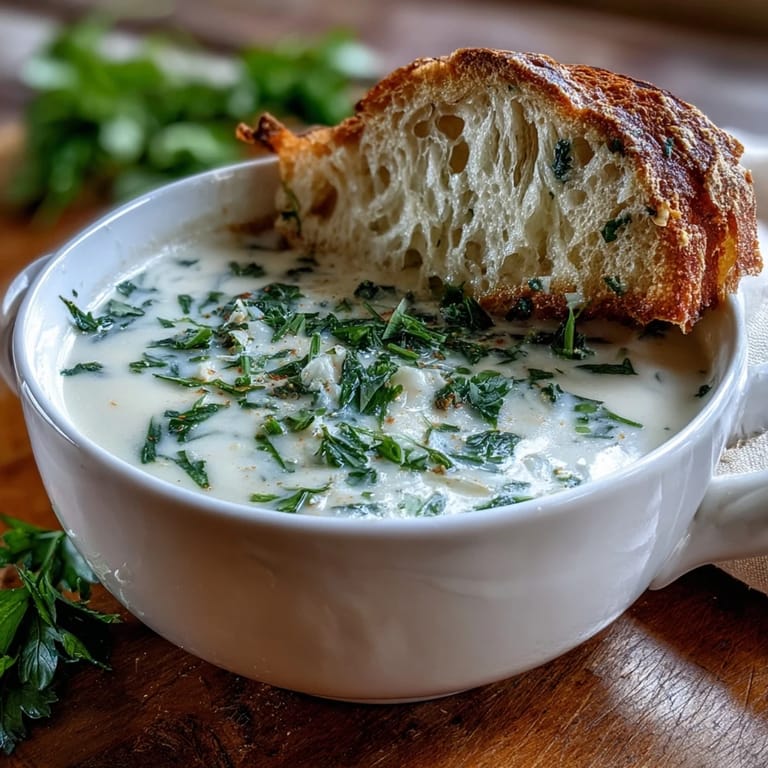
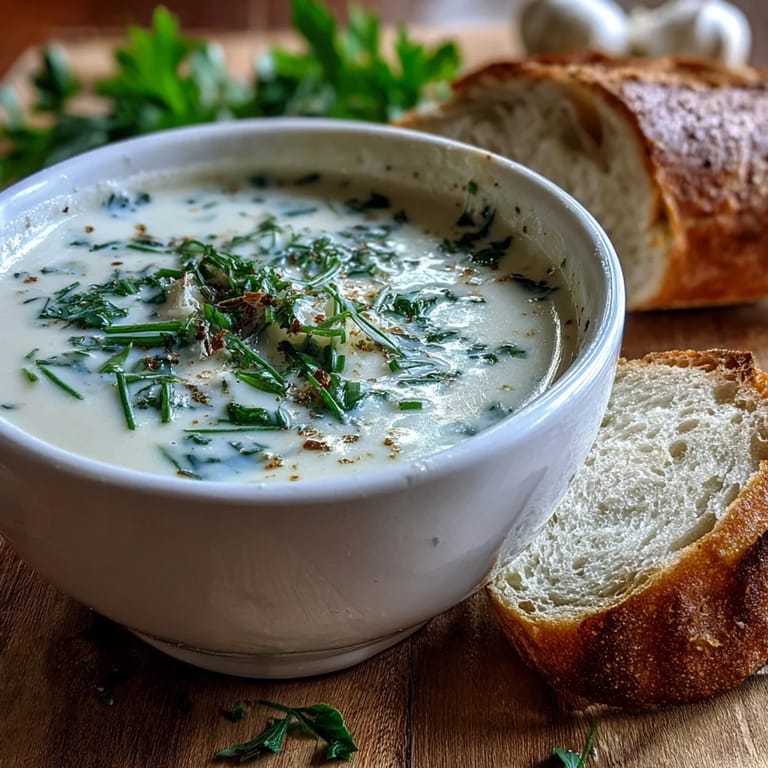
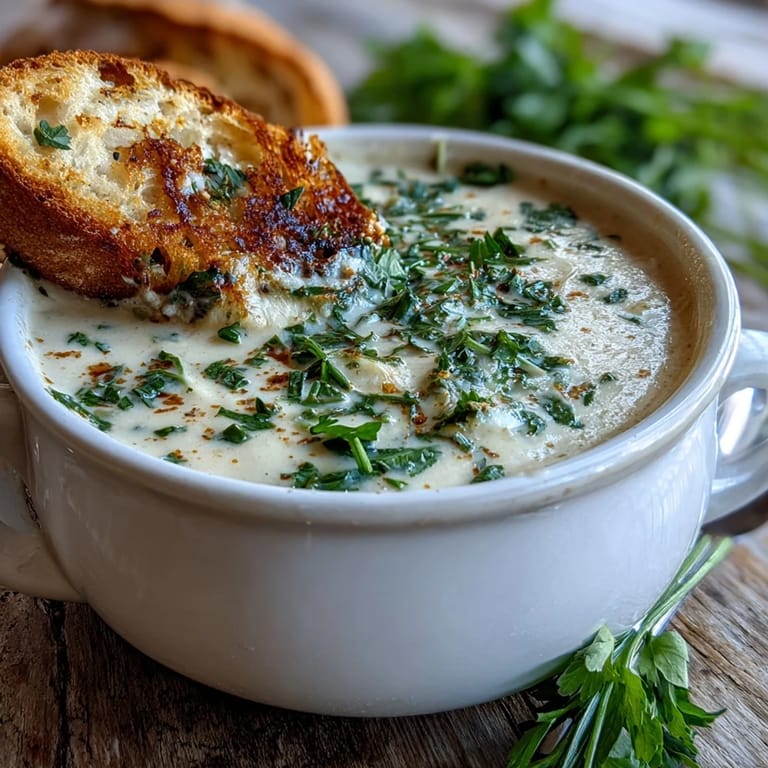
- Give the soup a final taste and adjust the salt and pepper to match what you're craving. Ladle into bowls, garnish generously with fresh chives or parsley, and serve immediately alongside crusty bread for dipping.
 Pin it
 The moment someone tastes this soup and their eyes light up—that's when you realize you've made something that means more than just nutrition. It's comfort, it's warmth, it's the opposite of complicated cooking, and somehow it feels like you've been working in your kitchen for hours when you've barely cracked a sweat.
How Roasting Changes Garlic
Raw garlic is sharp and assertive, almost aggressive in how it announces itself on your palate. But wrap it in foil and let the oven do its thing, and the sulfur compounds that make garlic spicy transform into sweet, caramelized notes instead. The heat softens the cell walls, turning each clove into a spreadable paste that dissolves into soup like it belongs there. This is why restaurant kitchens roast garlic constantly—it's one of those cooking tricks that feels like magic but is really just chemistry and patience.
Why Blending Matters Here
Blending isn't just about making the soup smooth; it's about creating a texture that feels luxurious without using cream. When you blend potatoes with garlic and broth, the starch from the potatoes acts as a natural thickener, coating your mouth in a way that makes you feel like you're eating something richer than you actually are. A good immersion blender is worth its weight in gold here because you can work directly in your pot and feel exactly when the texture shifts from bumpy to silky. If you don't have one, a regular blender works fine—just be careful with hot liquid and do it in batches.
Serving and Pairing Ideas
This soup is elegant enough to start a dinner party but humble enough for a cozy night in by yourself. Crusty bread for dipping is non-negotiable because you want something to soak up every last drop. A crisp Sauvignon Blanc or unoaked Chardonnay pairs beautifully if you're the kind of person who thinks about such things.
- Drizzle finished bowls with good olive oil and fresh cracked black pepper for extra richness and visual appeal.
- A few crispy sage leaves scattered on top add texture and an herbal note that feels intentional and fancy.
- Leftover soup keeps beautifully in the fridge for three days and actually tastes better the next day once the flavors have settled.
 Pin it
 This is the soup that reminds you why you cook in the first place. It's simple, it's honest, and it brings people together in a way that fast food never will.
Frequently Asked Questions
- → Can I make this soup ahead of time?
Absolutely. This soup actually develops deeper flavors when made ahead and refrigerated overnight. The garlic continues to mellow and the herbs infuse more fully into the broth. Reheat gently over medium-low heat, stirring occasionally. You may need to add a splash of broth if it thickens too much overnight.
- → Is there a way to make this soup creamier?
Yes. For extra richness, stir in ½ cup heavy cream or coconut milk after puréeing and heat through gently. You can also use an immersion blender to partially purée, leaving some texture, or add a peeled, diced potato during simmering for natural creaminess without dairy.
- → Can I freeze roasted garlic and herb soup?
This soup freezes beautifully for up to 3 months. Cool completely before transferring to airtight containers, leaving space for expansion. Thaw overnight in the refrigerator and reheat slowly. The texture may thin slightly—simmer a few extra minutes to reach desired consistency.
- → What herbs work best in this soup?
Thyme, parsley, and oregano create the classic European profile, but you can experiment. Fresh rosemary adds pine notes, while sage brings earthiness. Basil or tarragon offer brighter flavors. Use about 2 tablespoons total fresh herbs (or 2 teaspoons dried) for balanced seasoning.
- → How do I know when the garlic is properly roasted?
Perfectly roasted garlic cloves should be soft, golden, and easily squeeze from their skins. The cloves will have a sweet, mellow flavor without any harsh raw bite. If they're still firm or white in spots, return to the oven for 5-10 more minutes. Let cool slightly before squeezing.
- → Can I use garlic powder instead of fresh heads?
While possible, you'll lose the signature sweetness and depth that roasted whole cloves provide. If substituting, use 3 tablespoons garlic powder added during sautéing, but consider roasting a few extra cloves separately to fold in at the end for that characteristic flavor.