 Save
Save A friend once brought a tagine to my kitchen on a rainy afternoon—not the dish, but the actual copper vessel—and suddenly everything changed. She poured out this fragrant lamb stew with prunes and almonds, and the aroma alone made me understand why Moroccan cooking had captivated her for years. I've since made it countless times, each batch reminding me that some dishes taste like generosity, and this one definitely does.
I learned to make this properly when I cooked it for my neighbor who grew up in Marrakech—she watched silently for a while, then gently suggested I wasn't being patient enough with the spices. Letting them bloom in that moment before the lamb goes back in changed everything about the final flavor, and now that pause is my favorite part of the whole process.
Ingredients
- Lamb shoulder (1.5 kg, cut into 2-inch cubes): This cut has enough fat and connective tissue to become impossibly tender after hours of gentle cooking, creating that melting quality that makes tagine special.
- Olive oil (2 tbsp total): Use good oil for browning the meat—it's the foundation of everything that follows.
- Onions (2 large, finely chopped): They dissolve into the sauce, creating body and natural sweetness that rounds out the spices.
- Garlic (4 cloves, minced) and fresh ginger (1-inch piece, grated): These two are non-negotiable; they give the tagine its soul and keep it from tasting one-dimensional.
- Ground cinnamon (1½ tsp): This is the signature note—it should smell warm and welcoming, not harsh or dusty.
- Ground cumin (1 tsp), coriander (1 tsp), turmeric (1 tsp), black pepper (½ tsp), allspice (½ tsp), and ground ginger (½ tsp): Buy these whole if you can and toast them briefly; the flavor difference is remarkable and worth the extra five minutes.
- Saffron threads (1 pinch, optional): If you have it, add it—it whispers elegance without shouting.
- Beef or lamb broth (400 ml): Homemade is ideal, but good quality store-bought works; avoid anything overly salty since you'll reduce the sauce.
- Canned chopped tomatoes (400 g): San Marzano or similar quality makes a noticeable difference in the final taste.
- Honey (2 tbsp): This isn't about making it dessert—it's the balancing point between savory spices and sweet fruit.
- Pitted prunes (200 g): The moisture in them creates natural sweetness and helps thicken the sauce as they cook down.
- Whole blanched almonds (80 g): Toasting them yourself takes three minutes and transforms them from forgettable to golden and fragrant.
- Toasted sesame seeds (2 tbsp) and fresh cilantro or parsley: These finish the dish with brightness—don't skip them even if you're tired.
- Salt: Taste as you go; you'll need more than you think to balance the sweetness.
Tired of Takeout? 🥡
Get 10 meals you can make faster than delivery arrives. Seriously.
One email. No spam. Unsubscribe anytime.
Instructions
- Set up your cooking vessel:
- Preheat your oven to 160°C (325°F) if using one. The gentle, even heat makes the lamb impossibly tender without drying it out. A traditional tagine is beautiful, but a Dutch oven works just as well.
- Brown the lamb properly:
- Heat 1 tbsp of olive oil in your pot over medium-high heat until it shimmers. Brown the lamb in batches without crowding the pan—patience here means better caramelization and deeper flavor later. Don't rush this; it takes 8–10 minutes total.
- Build the flavor base:
- Add the remaining oil, then onions, garlic, and ginger. Let them soften for about 5 minutes, stirring occasionally, until the kitchen smells like you're cooking something meaningful.
- Bloom the spices:
- Sprinkle in all the spices and saffron if using. Stir constantly for exactly one minute—this wakes them up and releases their oils into the fat. You'll notice the smell shift from raw to warm and inviting.
- Combine everything:
- Return the lamb to the pot, then add the tomatoes, broth, and honey. Stir well, bring to a gentle simmer, and cover. Transfer to the oven or reduce heat to low on the stovetop and let it go for 1 hour 30 minutes, stirring every 20 minutes or so.
- Toast the almonds:
- While the lamb cooks, dry-toast the almonds in a skillet over medium heat for 2–3 minutes, shaking the pan occasionally. They'll go from pale to golden quickly, so watch them closely. Set them aside once they smell nutty and toasted.
- Add the fruit and nuts:
- After 1 hour 30 minutes, add the prunes and toasted almonds to the pot. Stir gently, cover, and continue cooking for another 30–45 minutes until the lamb is incredibly tender and the sauce has thickened slightly.
- Taste and adjust:
- Remove from heat and taste for salt. Add more if needed—the honey and sweetness of the prunes can mask saltiness, so be generous.
- Serve with intention:
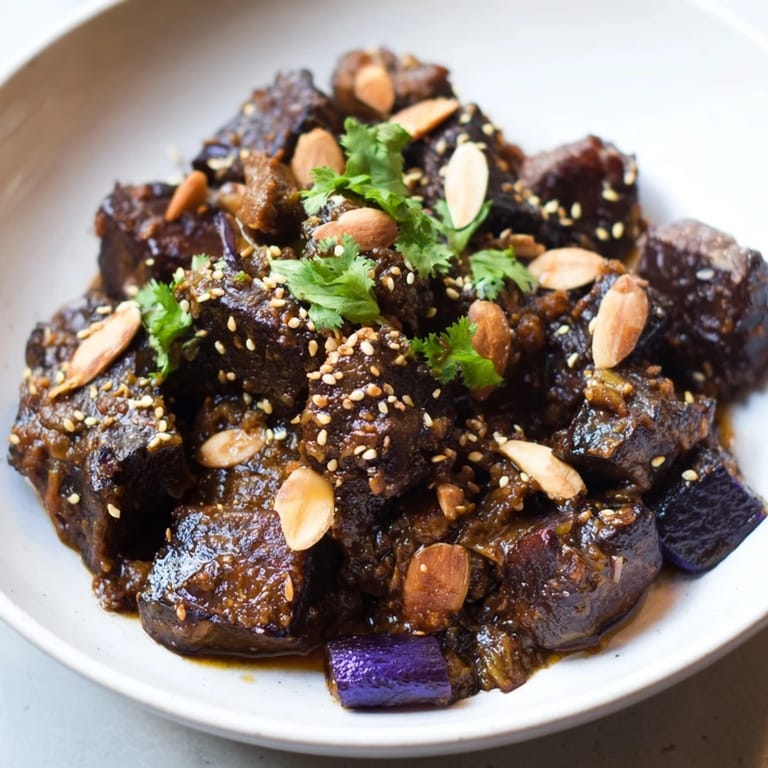
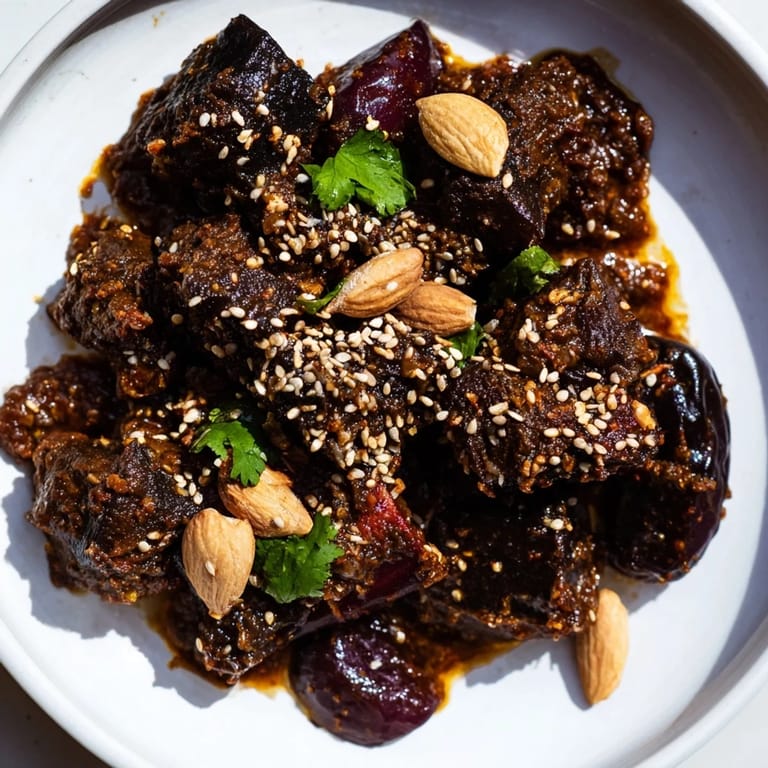
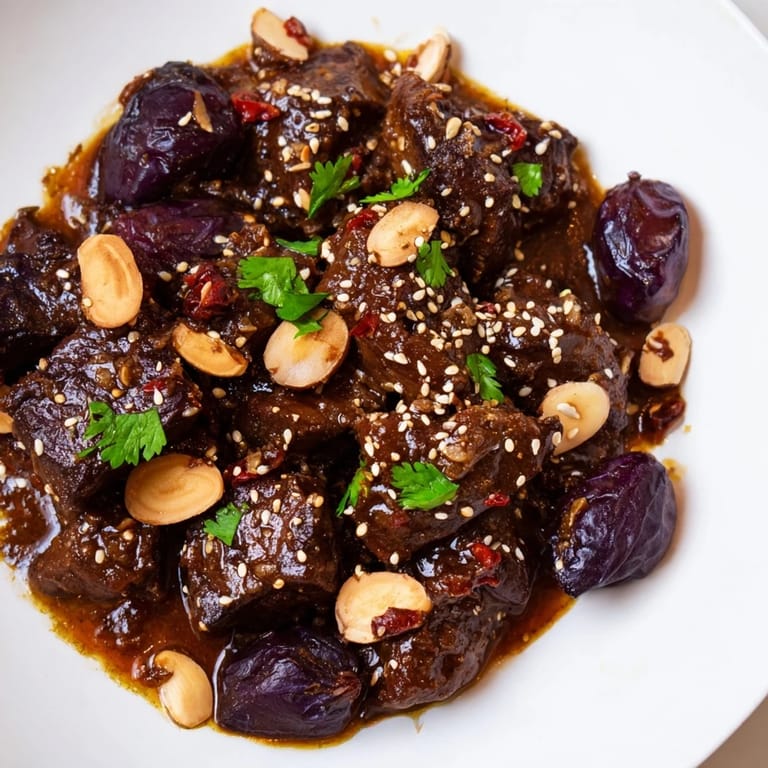
- Ladle the tagine into bowls while it's still steaming. Scatter sesame seeds and fresh cilantro or parsley on top, and serve with couscous, saffron rice, or warm bread alongside.
 Pin it
 I made this for my family on a cold winter evening when everyone needed something warm and comforting, and there was this quiet moment halfway through dinner when no one was talking—just eating, completely absorbed. That's when I knew I'd gotten it right: when food creates silence like that.
The Magic of Moroccan Spices
The first time I understood this dish was when I stopped thinking of the spices as separate ingredients and started seeing them as a conversation. Cinnamon provides warmth, cumin adds earthiness, coriander brings brightness, and turmeric ties it all together with a subtle golden thread. The key is respecting each one individually before combining them, which is why blooming them in the fat makes such a difference—they need a moment to introduce themselves before they blend into the whole.
Why Prunes and Almonds
Moroccan cooking has always understood that sweet and savory belong together, not in a tentative way but confidently. The prunes don't just add sweetness—as they soften, they release moisture that helps the sauce cling to every piece of lamb, and their flavor becomes almost floral. The almonds provide that textural contrast that makes each bite interesting, plus they feel luxurious without being pretentious.
Making It Your Own
Once you've made this a couple of times, you'll notice where you can adjust things to match your taste. Some people add a pinch of cayenne for heat, others use apricots instead of prunes for a different kind of sweetness, and a few I know marinate the lamb overnight in spices and oil before cooking. The foundation stays the same, but the variations are endless.
- If you're cooking for someone with a nut allergy, skip the almonds entirely and add an extra tablespoon of honey to compensate for the textural element.
- Leftover tagine reheats beautifully in a low oven or on the stovetop, and the flavors actually deepen after a day or two.
- Serve with something cool and tangy like a yogurt sauce or a simple salad to balance the richness.
 Pin it
 This tagine is the kind of recipe that gets better every time you make it, not because the ingredients change but because you do. You'll start noticing things—how the sauce thickens at just the right moment, when the lamb is tender enough, which spice dominates on different days. That's when cooking stops being following instructions and becomes something closer to knowing.
Frequently Asked Questions
- → What cut of lamb works best?
Lamb shoulder cut into cubes is ideal for slow cooking, providing tender and flavorful results.
- → Can I use apricots instead of prunes?
Yes, apricots can replace prunes for a slightly different fruity sweetness and texture.
- → How do I toast almonds properly?
Toast almonds in a dry skillet over medium heat for 2–3 minutes until golden and fragrant, stirring frequently.
- → Is saffron necessary for flavor?
Saffron adds a subtle aroma and color but can be omitted if unavailable without greatly affecting the dish.
- → What sides complement this dish well?
Steamed couscous, saffron rice, or crusty bread balance the rich flavors and soak up the sauce nicely.
- → Can this dish be prepared on the stovetop?
Yes, it can be simmered slowly on low heat in a heavy pot or tagine with occasional stirring.