 Save
Save My neighbor arrived at my door one winter morning with a tin of candied orange peel dipped in dark chocolate, and I was instantly transported to a Parisian café I'd visited years before. The way the citrus brightness cut through the rich chocolate felt like a small luxury I didn't know I needed. After pestering her for the recipe and making my first batch, I understood why she'd chosen this gift—it's the kind of thing that makes people feel genuinely cared for, and honestly, it's far easier to make than it seems.
I made these for a book club gathering last spring, nervous they'd be too bitter or too sweet. When one friend closed her eyes after tasting one and just smiled without saying anything, I knew I'd nailed it. She asked for the recipe that night, and now we text about our batches like we're comparing garden harvests.
Ingredients
- 4 large organic oranges: Organic matters here because you're eating the peel—those pesticides matter more when you're not throwing the peel away, and the flavor is noticeably brighter and cleaner.
- 2 cups granulated sugar: This isn't just sweetening; it's preserving and transforming the peel's texture into something almost jewel-like and chewy.
- 1 cup water: This ratio creates a syrup that's thick enough to coat the peels thoroughly without crystallizing as it cools.
- 7 oz high-quality dark chocolate (70% cocoa or higher): Don't skimp here—cheaper chocolate tastes waxy, and the whole point is that beautiful contrast between bitter chocolate and bright citrus.
- Extra granulated sugar for coating (optional): This adds sparkle and a subtle textural contrast if you want your pieces to catch the light like little jewels.
Tired of Takeout? 🥡
Get 10 meals you can make faster than delivery arrives. Seriously.
One email. No spam. Unsubscribe anytime.
Instructions
- Prepare your oranges:
- Wash and dry them thoroughly, then score the peel into quarters with a sharp knife and gently peel away the skin, trying to keep as much of the white pith attached as you can—that pith is what keeps the strips tender and prevents them from becoming papery. You want strips that feel substantial in your hand, about a quarter-inch wide.
- Blanch away the bitterness:
- This step feels repetitive but it's essential: place your peel strips in a saucepan, cover with cold water, bring to a boil, drain completely, and repeat this three times total. You'll notice the water gets darker each time, which means you're pulling out the compounds that would make these taste too sharp and medicinal.
- Build your candying syrup:
- In a clean saucepan, combine the sugar and water, stirring over medium heat until every grain dissolves and you have a clear, glossy liquid. You want it simmering gently before you add the peels—this prevents the peels from shocking and cracking.
- Simmer the peels to translucence:
- Add your blanched peels and maintain a low, gentle simmer for 45 to 60 minutes, stirring occasionally. Watch for that magical moment when they go from opaque to nearly transparent and become tender enough that a fork slides through easily—don't let the syrup bubble hard or turn amber-colored, or you'll end up with brittle, overly sweet candy instead of chewy treasure.
- Dry your candied peels:
- Lay them on a wire rack set over parchment paper and let them sit undisturbed for at least an hour until they're no longer sticky when you touch them. This drying time is when they develop that slightly stiff exterior while staying chewy inside.
- Optional sugar coating:
- If you want them to sparkle, toss the dried peels gently in a bowl with a bit of extra granulated sugar until they're lightly coated—it catches light beautifully and adds a subtle crunch.
- Melt your chocolate carefully:
- Use a double boiler setup—a heatproof bowl set over a saucepan of barely simmering water—and stir the chocolate constantly until it's completely smooth and glossy. If even a single drop of water gets into the chocolate, it'll seize and become grainy, so keep everything dry.
- Dip with confidence:
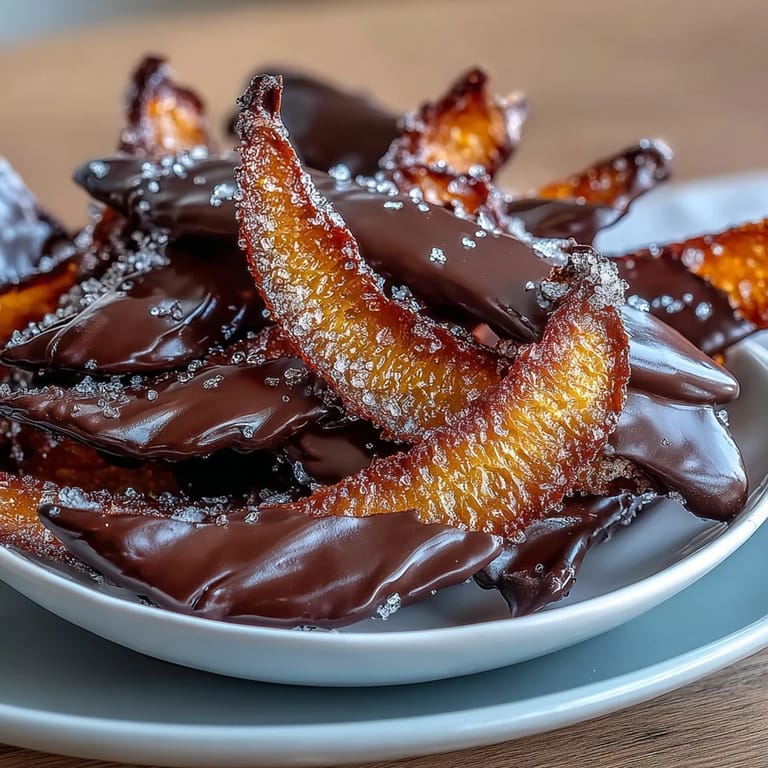
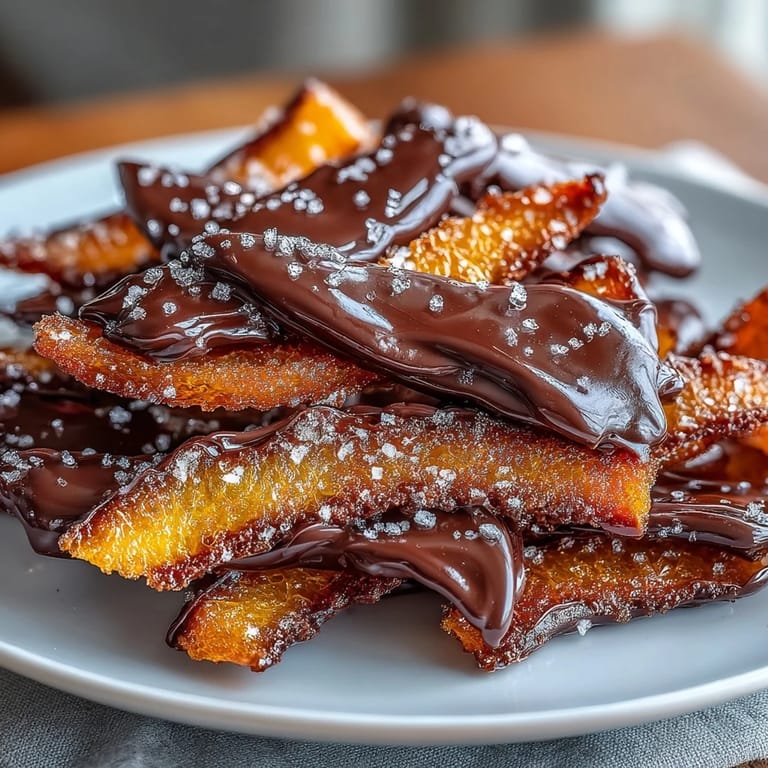
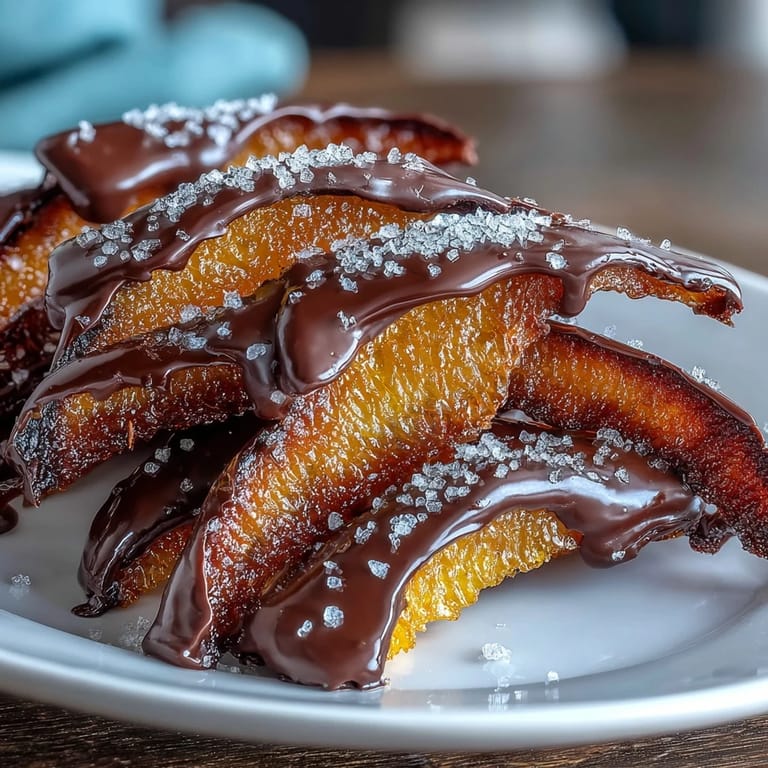
- Hold each peel by one end and dip it halfway into the melted chocolate, letting excess drip back into the bowl before placing it on a fresh sheet of parchment. You're creating an elegant contrast of colors and textures here, so resist the urge to coat them completely.
- Set and store:
- Let the chocolate firm up at room temperature for about 30 minutes, or speed things up by popping them in the refrigerator for 10 minutes. Once set, they'll keep in an airtight container at room temperature for up to two weeks, though honestly they rarely last that long.
 Pin it
 There's something quietly meditative about standing at the stove, watching those bitter peels slowly transform into something delicate and candied, the kitchen filling with this bright, clean citrus steam. By the end, when you're holding a piece of glossy orange peel dipped in dark chocolate, you realize you've made something that feels almost too beautiful to eat—but you eat it anyway, and it's worth every minute of attention you paid.
Why This Works So Well
The magic here is that you're creating three distinct textures and flavors in one small package: the initial brightness of candied citrus, the slight chew from the peel itself, and the melt of rich chocolate. Each component matters, and they only work together because of the prep work. The repeated blanching genuinely does change the flavor profile—it's not fussy, it's just how chemistry works with orange peel.
Variations Worth Trying
Once you've mastered the basic recipe, you can play with the syrup by adding a cinnamon stick or a few whole cloves while the peels simmer—the warmth of spice complements the citrus in ways that feel sophisticated and seasonal. You could also experiment with different chocolate types: white chocolate feels almost like eating candied peel with vanilla, while milk chocolate softens the citrus brightness into something more gentle and approachable. The beautiful thing is that the candied peel itself is the star, so the chocolate coating is really just a supporting player that lets you adjust the mood depending on your audience or your craving.
Making This Your Own
The recipe is forgiving enough that you can make small adjustments based on what you have on hand or what you're craving. If your oranges are particularly large, you might need an extra 15 minutes of simmering, and that's perfectly fine. The key is paying attention instead of following times blindly—let the peels themselves tell you when they're ready by their appearance and texture.
- Lemon peel works beautifully with this same technique if you want something sharper and more intense.
- A tiny pinch of vanilla extract added to the melted chocolate creates a subtle complexity that whispers rather than shouts.
- Store these in individual paper liners inside a pretty tin, and you've instantly created something gift-worthy that tastes like you spent all day in the kitchen.
 Pin it
 Making candied orange peel dipped in chocolate is a small act of generosity toward yourself or people you care about. Every batch tastes like someone paid attention, and that's the whole point.
Frequently Asked Questions
- → How do I prepare the orange peel for candying?
Score and peel the oranges, keeping some pith attached, then slice lengthwise into thin strips. Blanch the strips three times to reduce bitterness before candying.
- → What is the best way to dissolve the sugar for candying?
Simmer granulated sugar with water, stirring gently until fully dissolved, before adding the blanched orange peels to simmer slowly.
- → How can I ensure the candied peels dry properly?
Place the candied strips on a wire rack over parchment paper and let them air dry for at least an hour until no longer sticky.
- → What chocolate is best for coating the candied citrus?
Use high-quality dark chocolate with at least 70% cocoa for a rich, balanced flavor that complements the citrus notes.
- → How should I store the finished product?
Store the chocolate-coated candied peels in an airtight container at room temperature for up to two weeks to maintain freshness.