 Save
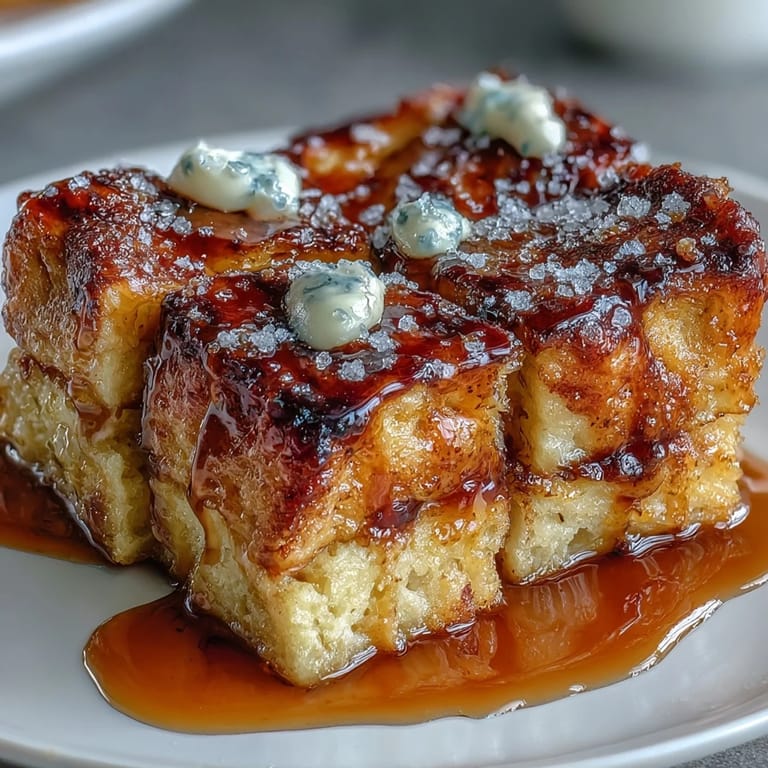
Save My sister called me in a panic the morning of her brunch party, asking if I could bring something impressive but easy to prepare. I arrived at her kitchen an hour before guests with a pan of this caramel cream cheese French toast casserole that I'd assembled the night before, and the moment it came out of the oven, golden and bubbling, I knew I'd solved her problem in the best possible way. The aroma alone had people asking for the recipe before they'd even sat down to eat. It turns out the real magic happens while you sleep—all that soaking and melding of flavors overnight makes the final bake almost foolproof.
There's a particular kind of confidence that comes from pulling a perfectly golden casserole out of the oven while people are still nursing their coffee, knowing you did the hard work yesterday in your pajamas. I made this for my friend's daughter's thirteenth birthday brunch, and watching a table of teenagers actually clean their plates without anyone mentioning their phones felt like a small victory. The cream cheese keeps it moist, the caramel keeps it indulgent, and the overnight soak keeps everything from becoming a dense brick.
Ingredients
- Brioche or challah bread, cut into 1-inch cubes (about 500 g): The softness and slight sweetness of brioche makes this dish luxurious, but it also means using day-old bread prevents it from turning into mush during the overnight soak.
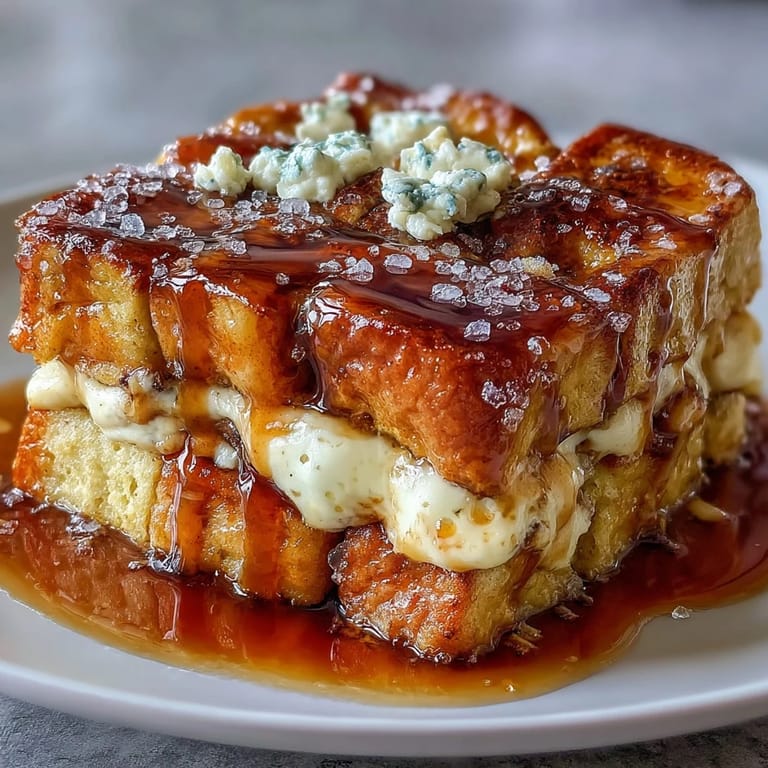
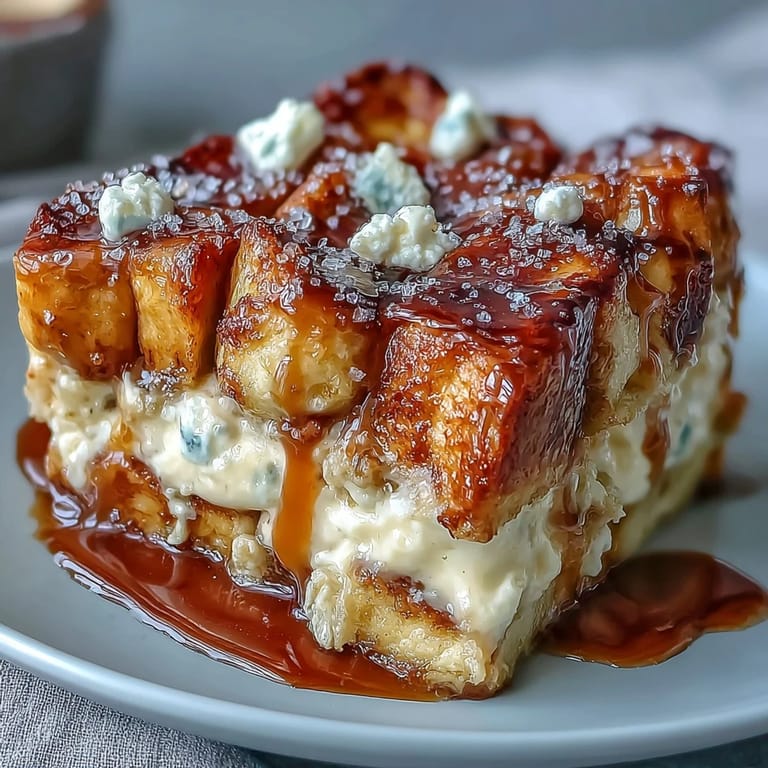
- Cream cheese, softened (225 g): This isn't just a layer; it creates pockets of tangy richness that contrast beautifully with the caramel, and beating it smooth with a little sugar makes it spread like a dream.
- Whole milk (240 ml): The base of your custard, and using whole milk rather than skim keeps everything creamy and luxurious without splitting during baking.
- Heavy cream (240 ml): This is what elevates a French toast casserole from ordinary to special, adding richness that regular milk just can't match.
- Eggs (5 large): Your binding agent, and using room temperature eggs helps them incorporate smoothly and cook evenly throughout.
- Unsalted butter, melted (60 g): The fat carries flavor and helps achieve that golden-brown exterior, and melting it first prevents any lumps in your custard mixture.
- Granulated sugar (150 g): Split between the cream cheese layer and the custard mixture to build sweetness without overwhelming the other flavors.
- Light brown sugar, packed (100 g): This adds molasses notes that play beautifully with caramel and vanilla, deepening the overall flavor profile.
- Pure vanilla extract (2 tsp): Use real vanilla, not imitation, because it carries warmth through the entire dish, especially important when baking overnight.
- Ground cinnamon (½ tsp): Just enough to add a whisper of spice without making it taste like a cinnamon roll.
- Salt (¼ tsp): The unsung hero that makes every other flavor pop, especially critical when you have cream cheese in the mix.
- Caramel sauce, store-bought or homemade (240 ml): Use good quality here since it's both a layer and a finishing drizzle, and warm it before serving so it flows like silk.
Tired of Takeout? 🥡
Get 10 meals you can make faster than delivery arrives. Seriously.
One email. No spam. Unsubscribe anytime.
Instructions
- Prepare your baking dish:
- Grease a 9 x 13 inch baking dish thoroughly with butter or nonstick spray, getting into the corners and up the sides. I learned the hard way that even a little sticking can tear apart your layers when you serve.
- Build the first bread layer:
- Spread half of your bread cubes evenly across the bottom of the prepared dish. They don't need to be perfectly tight; small gaps actually help the custard seep through.
- Create the cream cheese layer:
- In a medium bowl, beat softened cream cheese with ¼ cup granulated sugar and 1 tsp vanilla until it's completely smooth and fluffy. Dollop spoonfuls over the bread layer—don't spread it, just let it nestle into the gaps.
- Add caramel ribbons:
- Drizzle half of your caramel sauce over the cream cheese and bread, using a spatula to help it flow into the gaps without completely covering everything. You want pockets of caramel, not a sealed layer.
- Top with remaining bread:
- Arrange the rest of your bread cubes over the caramel layer, filling in spaces as evenly as you can. These top pieces will get the most custard exposure, so they're crucial for that perfectly soaked texture.
- Make your custard mixture:
- In a large bowl, whisk together eggs, milk, cream, melted butter, remaining granulated sugar, brown sugar, remaining vanilla, cinnamon, and salt until completely combined. Take a moment to really whisk it; you want the egg yolks and whites fully integrated.
- Soak and chill:
- Pour the custard evenly over all the bread layers, then use your spatula to gently press down, encouraging the bread to absorb the liquid. Cover tightly with plastic wrap or foil and refrigerate overnight (at least 8 hours), or up to 24 hours.
- Bake to golden perfection:
- When ready to bake, preheat your oven to 350°F and let the casserole sit at room temperature for about 10 minutes while the oven heats. Bake uncovered for 40 to 45 minutes until the top is deep golden brown and the center jiggles just slightly when you gently shake the pan.
- Finish with caramel:
- Let the casserole cool for about 5 minutes, then warm your remaining caramel sauce and drizzle it generously over the top right before serving. The warmth keeps it flowing and the timing keeps it looking fresh.
 Pin it
 My neighbor brought this casserole to a neighborhood breakfast last summer, and it became the thing people actually remembered—not because it was complicated, but because it was generous and delicious and made everyone feel cared for. There's something about a big, communal dish that says I've invested time in making you something special, even if most of that time was spent sleeping.
Why This Casserole Works Every Single Time
The overnight chill is your insurance policy against undercooked custard or dry bread. While everything sits in the refrigerator, the bread gradually absorbs the custard mixture, but it still retains enough structure to hold together beautifully during baking. I once tried making this with fresh bread and skipping the overnight rest, thinking I could save time, and the result was a sad, soggy mess that fell apart on the serving spoon. Now I'm a devoted believer in respecting the process. The cream cheese layer adds an element of surprise—people taste something tangy and rich beneath the caramel and wonder what you put in there, and you get to smile mysteriously while eating seconds.
Customizing Your Casserole
The beauty of this recipe is how gracefully it accepts additions without losing its character. My mother adds a handful of pecans to the top before baking, which gives everything a subtle crunch and nutty depth. A friend of mine sprinkles chocolate chips over the cream cheese layer, and somehow it works beautifully with the caramel instead of feeling redundant. I've even seen people substitute half the caramel with dulce de leche for a slightly more complex flavor, and fresh raspberries scattered over the top before serving add a pop of tartness that cuts through the richness perfectly.
Making This Ahead and Reheating
You can assemble this casserole the day before, refrigerate it overnight, and then bake it first thing in the morning while you shower and get dressed—it's the best kind of breakfast hack. Leftovers actually improve after a day in the refrigerator, the flavors deepening and becoming more integrated. Reheating is simple: cover loosely with foil and warm in a 325°F oven for about 15 minutes, or reheat individual portions in the microwave for 30 to 45 seconds, which keeps them moist and warm without drying out the custard.
- Assemble and refrigerate up to 24 hours ahead; this actually improves flavor and texture.
- Bake straight from the refrigerator without bringing to room temperature if you're in a hurry, just add 5 to 10 minutes to baking time.
- Serve warm with fresh berries, whipped cream, or a drizzle of extra caramel sauce for indulgence.
 Pin it
 There's something deeply satisfying about bringing a casserole to the table that looks impressive and tastes even better, knowing you built it in ten minutes the night before. This dish has a way of making ordinary Saturday mornings feel like celebrations.
Frequently Asked Questions
- → Can I use different bread instead of brioche?
Yes, challah, French bread, or even thick-cut sandwich bread work well. Day-old or slightly stale bread actually absorbs the custard better and yields a firmer texture after baking.
- → How long should I refrigerate the casserole?
Refrigerate for at least 8 hours or overnight for best results. This allows the bread to fully absorb the egg mixture, creating that signature creamy, custard-like interior.
- → Can I prepare this ahead and freeze it?
Assemble the casserole, cover tightly, and freeze for up to 1 month. Thaw overnight in the refrigerator before baking as directed.
- → What toppings pair well with this dish?
Fresh berries, whipped cream, chopped pecans or walnuts add delightful contrast. Powdered sugar, maple syrup, or additional warm caramel also make excellent finishing touches.
- → How do I know when it's fully baked?
The casserole is done when the top is golden brown, the center is set (not jiggly), and a knife inserted comes out clean. If the top browns too quickly, cover loosely with foil.
- → Can I reduce the sweetness?
Simply decrease the amount of caramel sauce drizzled between layers or use less sugar in the custard. The cream cheese filling provides plenty of richness even with reduced sweetness.