 Save
Save The aroma of caramelized butter and brown sugar filled the kitchen, swirling with faint floral notes as I whisked the batter for this cake. I’d never actually baked with rose water before, and testing earth-toned swirls of buttercream felt more like painting than cooking. There was something grounding about layering colors and flavors inspired by the Taurus sign—orderly but never boring. Somehow, the project felt less like a recipe and more like a small joyful experiment with friends. As my hands grew sticky from butterscotch sauce, I realized this cake would always remind me of that focused, flour-dusted afternoon.
When I first made this cake for my friend Mara’s spring birthday, the conversation turned to stars and earthy luxuries as soon as the slices were cut. She laughed at the stray smear of beet-pink buttercream on my cheek, and everyone debated which flower tasted best on its own. That night, the cake was nearly gone, and the gold dust left a soft shimmer on our plates. I’ve never looked at edible violets the same way since. Cakes like this draw people in, curiosity first, then delight.
Ingredients
- All-purpose flour: Gives structure to the cake; I always sift it for extra lightness.
- Baking powder and baking soda: These work together to lift the thick butterscotch batter to fluffy heights.
- Fine salt: Don’t skip it—a tiny bit enhances all the cake’s sweetness and brings out the butterscotch flavor.
- Unsalted butter: Essential for both depth in the cake and the lush buttercream; always use softened for best mixing.
- Packed brown sugar: Forms the backbone of that cozy butterscotch taste and helps create a tender crumb.
- Eggs: Bring structure, color, and richness to every bite.
- Vanilla extract: Adds warmth and smooths out both cake and buttercream flavors.
- Sour cream or plain yogurt: Helps keep the cake super moist; either works as long as it’s full-fat.
- Whole milk: Gives just enough body to the batter and silken texture to buttercream.
- Butterscotch sauce: Homemade, it sneaks sweetness and gooey magic right into the layers.
- Powdered sugar: Sift for that pillowy soft buttercream—no gritty bits allowed.
- Culinary rose water: Just a hint weaves subtle floral notes into the frosting; less is more here.
- Culinary dried lavender (optional): Go easy—this can overpower, but a pinch feels sophisticated.
- Natural colorants (matcha, beet powder, cocoa, turmeric, spirulina): Let you tint the buttercream with earth’s own palette.
- Edible flowers and fresh herbs: Make the cake a centerpiece—always rinse and dry them thoroughly before using.
- Gold leaf or dust (optional): For just a hint of glamor at the finish line.
Tired of Takeout? 🥡
Get 10 meals you can make faster than delivery arrives. Seriously.
One email. No spam. Unsubscribe anytime.
Instructions
- Prepare pans and oven:
- Preheat the oven to 350°F (175°C), then line three 8-inch round cake pans with parchment so nothing sticks later.
- Make butterscotch sauce:
- Over medium heat, melt the butter, stir in brown sugar until bubbling, pour in cream, and keep mixing until glossy and smooth; the steam smells divine—let it cool before using.
- Mix the dry ingredients:
- In a separate bowl, whisk flour with baking powder, baking soda, and fine salt so everything’s evenly combined.
- Cream butter and sugar:
- Beat softened butter and brown sugar until they look pale and fluffy, then add eggs one at a time, beating well after each, and splash in the vanilla.
- Combine wet and dry mixtures:
- Fold in sour cream and butterscotch sauce, then alternate adding the flour mix and milk in batches, starting and ending with flour; finish just when there are no dry streaks left.
- Bake the cakes:
- Divide the batter evenly among pans, bake for 28–35 minutes, and listen for the subtle hiss and golden scent; when a toothpick comes out clean, your layers are done—turn out after cooling 10 minutes.
- Beat buttercream:
- Whip soft butter until nearly white, then gradually sift in powdered sugar, splashing in milk as needed; finish with rose water and, if you’re brave, a hint of ground lavender.
- Tint and swirl:
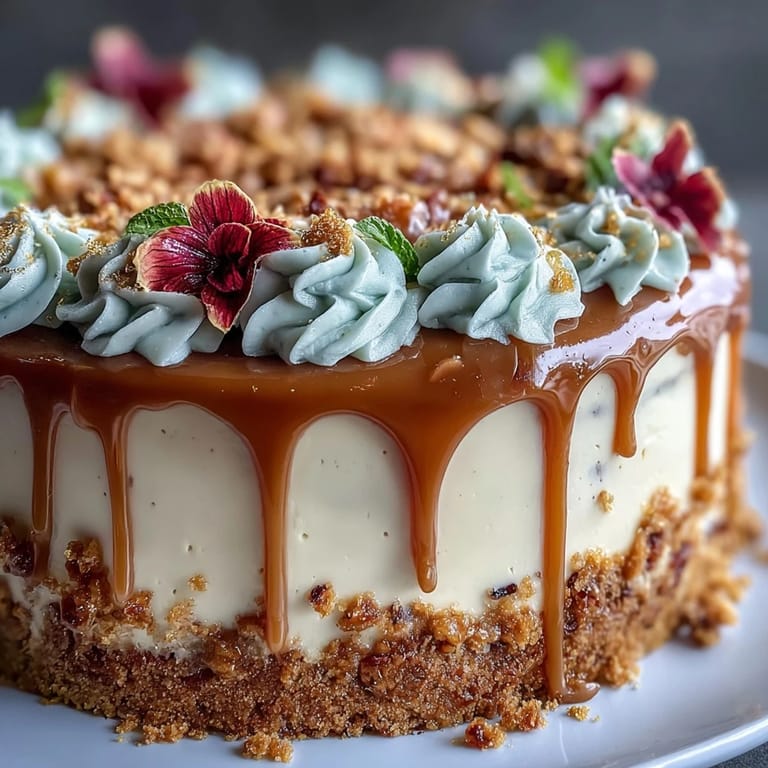
- Split the buttercream and use matcha, beet, or cocoa to create subtle earthy shades—feel free to experiment—then gently swirl them on the cake for an artful effect.
- Assemble and decorate:
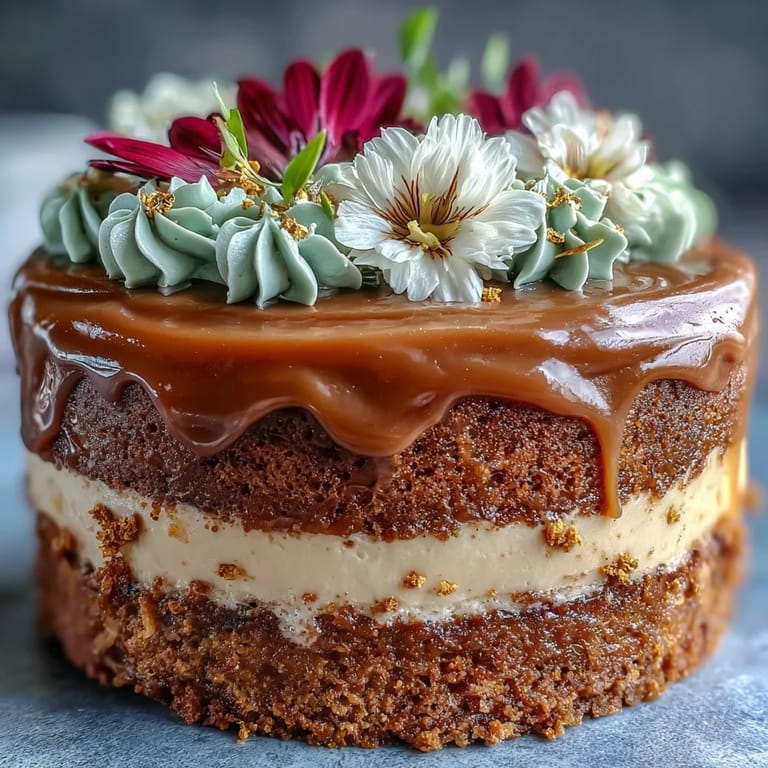
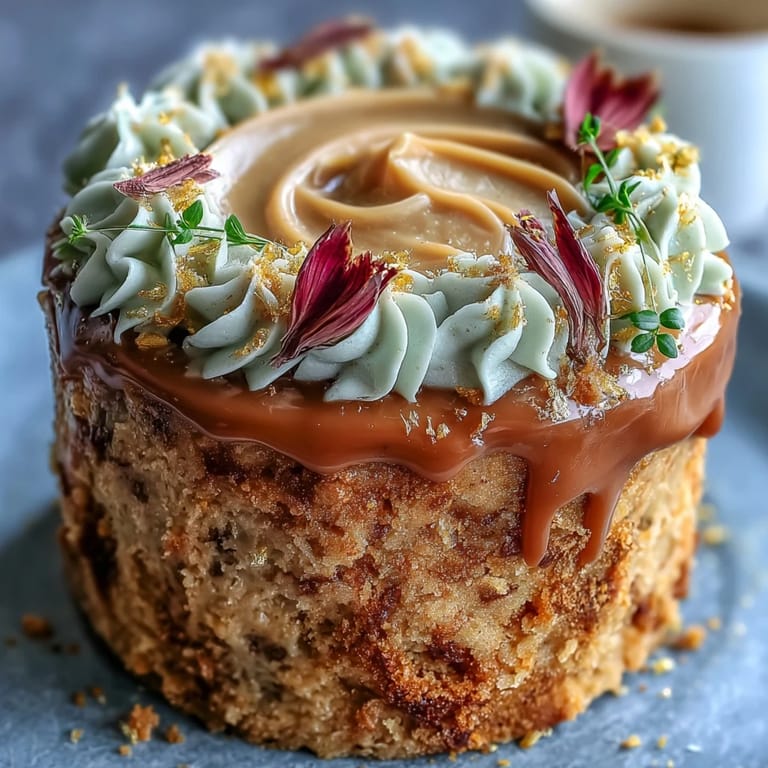
- Stack the cooled cakes with buttercream in between, coat the outside with more, chill for 20 minutes, then crown with flowers, herbs, and touches of gold dust for true Taurus flair.
 Pin it
 The first time I brought this cake to my cousin’s baby shower, everyone stopped mid-conversation to admire the colors and edible blooms. I realized that even the most grown-up crowd can’t resist sneaking another forkful or marveling at a cake that feels as much a centerpiece as a treat. For a minute, the whole table was happily quiet. Sometimes a dessert really does become a memory. I love how this cake does that.
How to Really Nail the Earth Tone Buttercream
Tinting the buttercream is the fun part, but natural powders can seize or streak if you add too much too quickly. I always sprinkle a little at a time, folding gently, stopping as soon as the shade feels right. If you dip a spoon and it looks soft and marbled, you’ve nailed it. Matcha gives a fresh green, while beet powder softens to an earthy pink. Be gentle, and your cake will glow instead of looking overworked.
Picking and Using Edible Flowers
Not all flowers are edible—always choose from a reputable market or your own untreated garden. Gently rinse and pat them dry, removing any thick stems, and lay them on just before serving so their colors stay vibrant. I’ve found violets and pansies to be the sweetest, but even a few sprigs of mint or rosemary make the top feel special. If you sense they’re starting to wilt, pop the decorated cake in the fridge until guests are ready. A careful scatter of gold dust at the end is pure magic for special occasions.
What to Do with Leftovers (If You Have Any)
This cake is rare in that it stays soft for days—just cover tightly at room temperature, unless you’ve loaded on lots of fresh flowers. I’ve even sliced a wedge for breakfast with milky tea, and the last sliver is sometimes the best. If the buttercream stiffens in the fridge, bring the cake to room temp before serving and it’ll taste fresh again.
- Remove flowers before refrigerating for best texture.
- Save any extra butterscotch sauce for drizzling on top.
- A thin knife dipped in hot water will help cut clean slices.
 Pin it
 Sometimes all you need is a slice of something beautiful to anchor a celebration. I hope this cake brings you the steady joy and surprise it’s given my table full of friends.
Frequently Asked Questions
- → How do I keep the cake layers moist?
Use room-temperature eggs and a mix of sour cream and milk to add fat and acidity; do not overmix once flour is added. Bake until a toothpick comes out clean, then cool in pans for 10 minutes before turning out to retain moisture.
- → What is the best way to make the butterscotch sauce?
Melt butter and stir in packed brown sugar over medium heat, cook briefly, then add cream and simmer until smooth. Remove from heat promptly, stir in vanilla and a pinch of salt, and cool completely before folding into batter.
- → How can I achieve subtle earth-tone colors in the buttercream?
Use small amounts of natural powders: matcha for green, beet powder for pink, cocoa for brown, turmeric for yellow, or spirulina for deep green. Tint separate portions lightly and blend colors on the cake for an organic look.
- → Can I swap rose water if I don’t have it?
Yes—orange blossom water or a touch of vanilla can replace rose water. Start with a small amount and taste as you go, since floral extracts are potent and can dominate if overused.
- → How should I store the finished cake?
Store covered at room temperature up to three days if no perishable decorations are used; refrigerate when using fresh flowers or for longer storage. Bring to room temperature before serving for best texture and flavor.
- → Any tips for decorating with edible flowers and herbs?
Choose pesticide-free, food-safe flowers and gently dry any moisture. Arrange flowers and small sprigs of herbs as accents after chilling the crumb-coated cake, and use a light touch of gold leaf or dust sparingly to maintain a natural look.