 Save
Save I discovered msemen at a bustling market in Marrakech, where an elderly woman was frying these golden squares with practiced ease, the scent of butter and honey filling the entire stall. She didn't speak English, but her hands told the whole story—stretching the dough so thin it was nearly transparent, folding it with butter and semolina in a rhythm that looked effortless. Years later, standing in my own kitchen with floury hands, I finally understood that patience and oil are the two secrets she never needed to explain.
I made msemen for a small gathering on a Sunday morning, and watching my friends bite into one with their eyes closed was the moment I realized this wasn't just breakfast—it was a conversation starter about travel, family recipes, and the magic of butter. One guest asked if she could learn, and suddenly we were both in the kitchen laughing at how the dough kept sticking to my hands until I remembered to oil them properly.
Ingredients
- All-purpose flour: The foundation that holds everything together; I've learned that using a slightly higher protein flour gives better structure as you stretch and fold.
- Fine semolina: This is what creates those crispy, shattering layers—coarser semolina will break through the dough and feel gritty.
- Sugar and salt: A teaspoon of each rounds out the flavor without making it sweet; skip the salt and the butter becomes cloying.
- Warm water: The temperature matters more than you'd think; too hot kills the yeast, too cold and the dough stays stubborn and won't stretch.
- Instant yeast (optional): I add it for a lighter crumb, but traditionalists skip it entirely and let time do the work.
- Vegetable oil and melted butter: Oil keeps your hands from becoming one with the dough, while butter is what makes each bite sing.
Tired of Takeout? 🥡
Get 10 meals you can make faster than delivery arrives. Seriously.
One email. No spam. Unsubscribe anytime.
Instructions
- Mix the dough:
- Combine your dry ingredients, then add warm water slowly while mixing until the dough comes together soft and smooth. Knead for 10 minutes—your hands will tell you when it's ready, when it stops resisting and starts feeling almost silky. Cover it and let it rest for 15 minutes; this brief rest makes the next steps so much easier.
- Divide and prepare:
- Cut the dough into 8 equal pieces and roll each into a ball. Oil your hands and your work surface generously—this isn't a step to rush or skimp on.
- Stretch and fold:
- Take one ball and, using your oiled palms, gently stretch it into a thin circle, thinner than you think is possible, until it's almost see-through. Brush with melted butter, sprinkle semolina, then fold one side toward the center and repeat with the other three sides, brushing and sprinkling as you go, until you have a rough square.
- Rest the squares:
- Let your folded squares sit for 5 minutes—they need this moment to relax before hitting the heat.
- Flatten gently:
- In the skillet, press each square down to about a quarter-inch thick, but gently; you're not wrestling it, just coaxing it into shape.
- Fry to golden:
- Over medium heat with a light brush of oil in the pan, fry each square for 2 to 3 minutes per side until the edges turn golden and crispy and the whole thing smells like a Moroccan dream. Listen for the sizzle—that's your signal everything is working.
- Finish with honey:
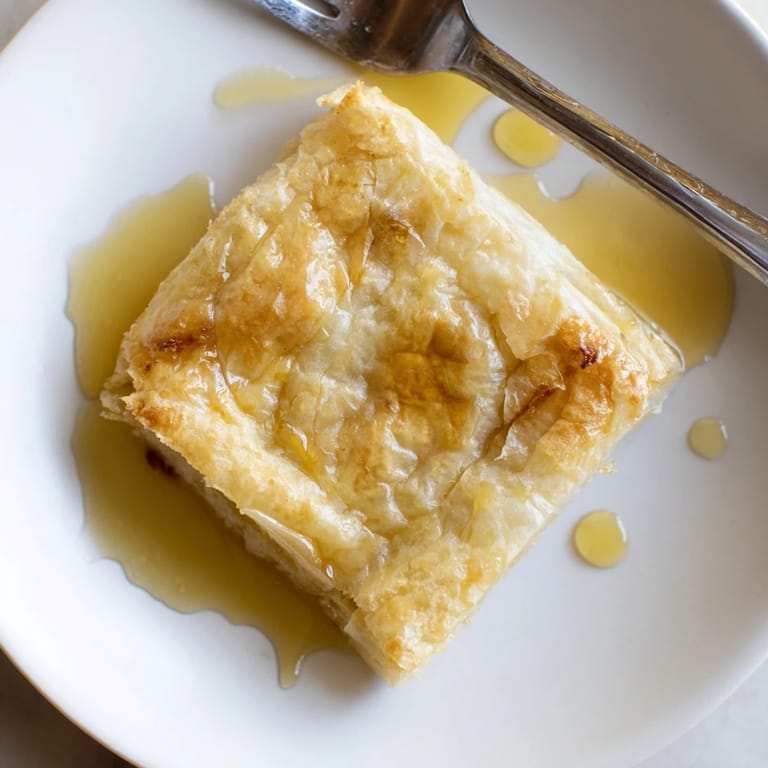
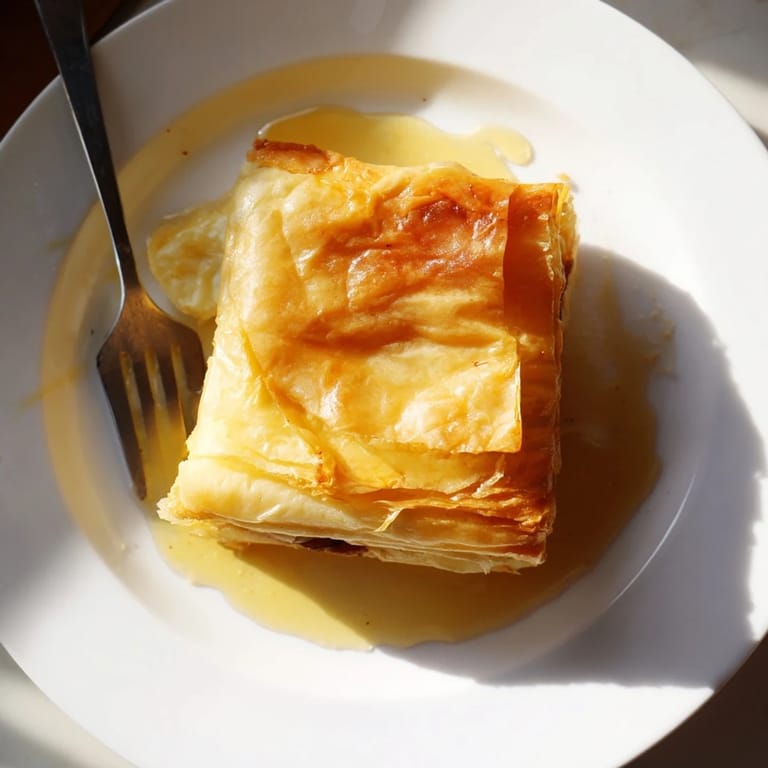
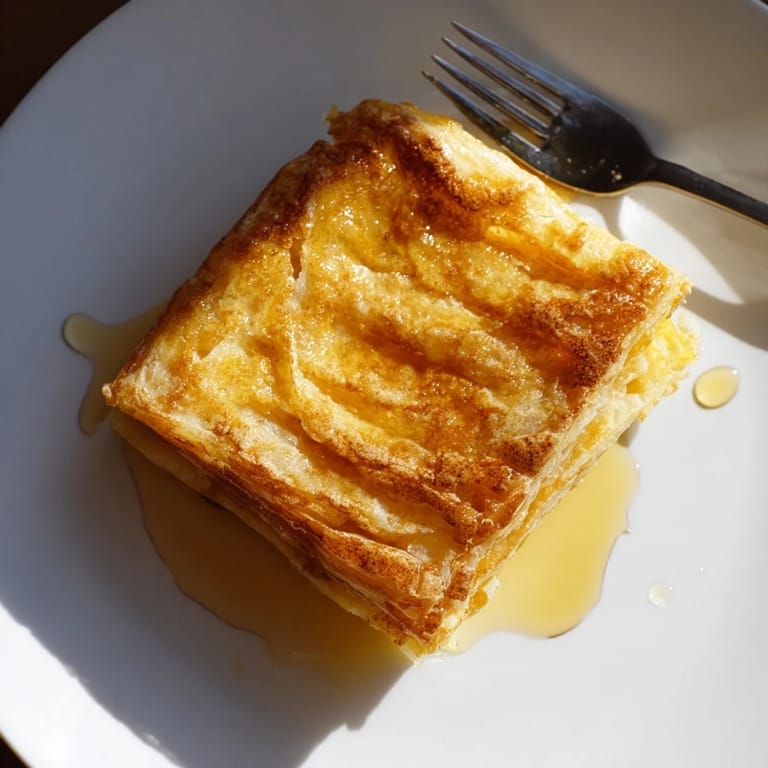
- Drizzle warm honey over each square as soon as it comes out of the pan, letting it soak into the warm, flaky layers.
 Pin it
 There's a particular quiet that settles in your kitchen when msemen is frying, a sound and smell combination that somehow says 'home' in a language you didn't know you spoke. My grandmother used to say that the moment you stop rushing the process is the moment the pastry knows to trust your hands.
The Story Behind Msemen
Msemen appears at every significant moment in Moroccan life—wrapped in paper at dawn for breakfast, served on a platter at midday tea, offered to guests as a gesture of welcome. It's been made the same way for generations, not because people are afraid of change, but because some things are already perfect. What strikes me most is how humble the ingredient list is; there's nowhere for a mistake to hide, which is exactly why this pastry demands respect and reward it with incredible flavor.
Why Butter and Oil Matter
The combination of butter and oil is deliberate—butter for flavor and richness, oil for workability and that signature crispness. I used to try substituting one for the other and always regretted it, until I understood that they're doing different jobs in the same dance. The butter dissolves into the layers, making them tender, while the oil keeps everything from sticking and helps those edges fry into shattering, golden crisps that catch the light.
Serving and Storing
Msemen is best eaten warm, as soon as it's cool enough to hold, when the contrast between the crispy exterior and warm interior is at its peak. If you make them ahead, they keep well wrapped on the counter and reheat beautifully in a skillet over low heat or in a toaster oven—though honestly, they're gone within minutes of coming off the heat.
- Serve alongside coffee or mint tea for the full experience.
- Amlou, a silky paste of almonds and honey, is the traditional pairing if you want to go deeper into Moroccan tradition.
- Leftover msemen from yesterday is still incredible, but you have to decide if you can wait that long.
 Pin it
 Making msemen is less about following instructions and more about developing a feel for how the dough should move under your hands. Once you've made it a few times, you'll understand why this pastry has survived centuries and will likely outlast whatever kitchen trends come next.
Frequently Asked Questions
- → What is Msemen made of?
Msemen is crafted from a simple dough blending all-purpose flour, fine semolina, sugar, salt, and warm water, sometimes with yeast for a lighter texture.
- → How is the flaky texture achieved?
The flaky layers develop by brushing melted butter and sprinkling semolina between folded dough layers before pan-frying gently.
- → What is the best cooking method for Msemen?
Pan-frying over medium heat in oil until golden and crisp ensures a tender yet flaky finish.
- → Can Msemen be served with other accompaniments?
Yes, it pairs well with honey, traditional almond-honey spreads like amlou, fresh jams, or even a sprinkle of cinnamon.
- → How should leftover Msemen be reheated?
Reheat leftovers gently in a skillet or toaster to restore crispness without drying out the layers.