 Save
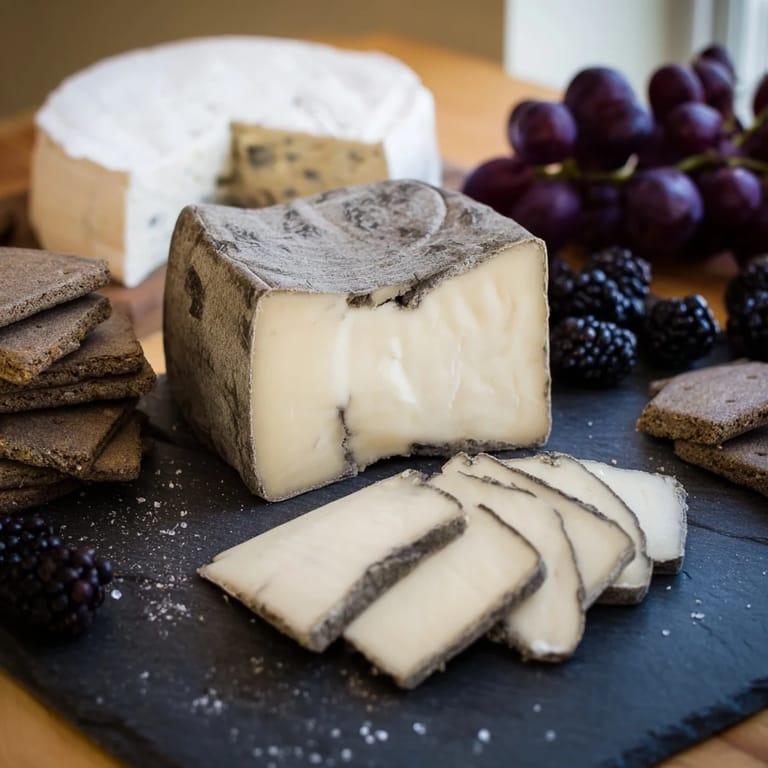
Save I'll never forget the first time I saw a monochrome cheese board at a small gallery opening in the city. The whole spread was rendered in shades of gray and black—charcoal crackers, ash-rinded cheeses, dark grapes—and it was so striking that guests stopped mid-conversation just to admire it. I realized that night that a cheese board didn't have to be a rainbow of colors to be beautiful. Sometimes the most elegant presentations come from restraint, from celebrating a single palette with intention. That's when I became obsessed with creating my own version, one that would make people pause and appreciate the quiet sophistication of monochromatic elegance.
I served this board to my design-minded friends last winter, and one of them—the one who always knows about the latest restaurants—actually gasped when she saw it. She said it felt like eating art, and suddenly everyone was taking photos and asking what everything was. That's when I knew this wasn't just a cheese board; it was a conversation starter that happened to be delicious.
Ingredients
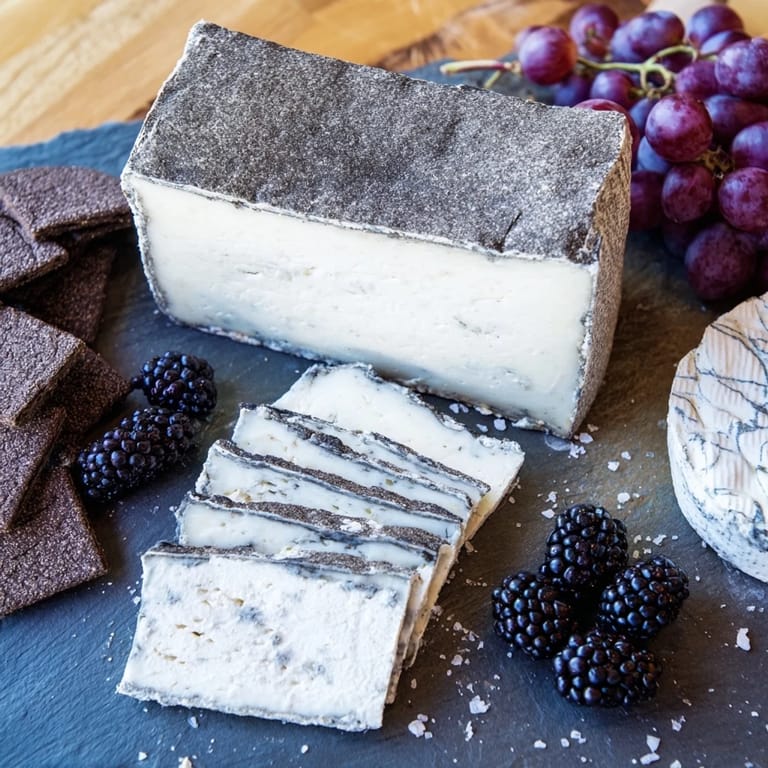
- Morbier or ash-rinded semi-soft cheese (150 g): This is your anchor cheese, with that distinctive gray line running through it. Morbier is creamy and forgiving, perfect if you're new to ash-rinded varieties. Buy it a day or two ahead so it softens beautifully at room temperature.
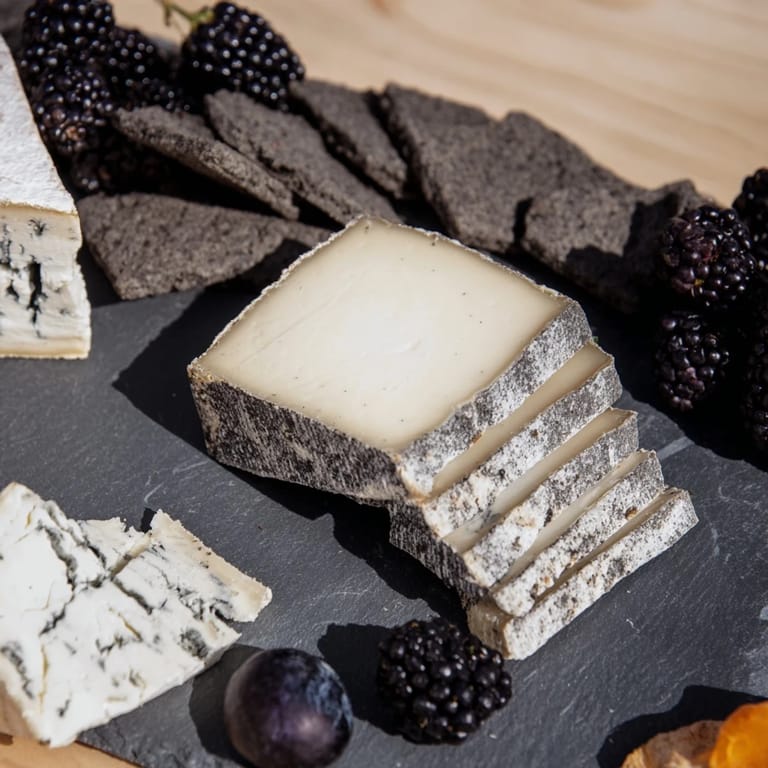
- Humboldt Fog or ash-ripened goat cheese (120 g): The delicate, chalky center of this cheese is what makes it special. It's tangy without being overwhelming, and that gray coating is pure visual poetry.
- Valdeon blue cheese or similar gray-veined blue (100 g): This is your bold flavor moment. The blue-gray veining is naturally striking, and it adds complexity that people will keep coming back to taste.
- Slate-colored charcoal crackers (8–10 pieces): These aren't just any crackers—they're your canvas. They absorb the cheese flavors beautifully and maintain the monochromatic vision. Found them at specialty shops, though black sesame crackers work just as well.
- Dark rye or pumpernickel bread (6–8 slices): Slice them yourself if possible for a more artful, uneven presentation. The earthiness of dark rye is non-negotiable here.
- Black grapes or dark plums: These provide juicy contrast and natural sweetness. I prefer grapes for their jewel-like appearance, but sliced plums have a gorgeous matte finish.
- Blackberries or blueberries: Use fresh, and scatter them sparingly. They fill gaps without overwhelming the composition.
- Black olive tapenade (2 tbsp): This is your umami anchor. A good tapenade adds depth and richness. Spoon it into a tiny dark bowl or directly onto the board—either way, it's pure sophistication.
- Edible charcoal salt: This is the secret finishing touch. It adds a subtle smoky flavor and visual drama without being overdone. A pinch is all you need.
- Fresh rosemary or thyme sprigs (optional): If you add these, use them sparingly. They provide green contrast but risk breaking the monochromatic spell, so I typically skip them unless the moment calls for a tiny hint of life.
Tired of Takeout? 🥡
Get 10 meals you can make faster than delivery arrives. Seriously.
One email. No spam. Unsubscribe anytime.
Instructions
- Set your stage with the board:
- Place your dark stone or slate board on a clean surface where it will catch good light. This is your canvas, and the board itself is part of the visual story. If it's a bit dusty, gently wipe it with a soft cloth—you want the surface to gleam subtly.
- Arrange the cheeses with intention:
- Slice your cheeses—aim for about half-inch pieces for Morbier and the goat cheese, and slightly thicker wedges for the blue. Arrange them in separate sections across the board, leaving breathing room between each cheese. This isn't about crowding; it's about letting each one shine. Notice how the gray tones play against each other.
- Create bread architecture:
- Fan your charcoal crackers in small stacks at different spots around the board. Do the same with pumpernickel slices, slightly overlapping them for dimension. Think of these as supporting players that guide the eye around the board.
- Nestle in the fruit:
- Cluster black grapes in small groups, as if they're naturally rolling across the board. Scatter blackberries and blueberries in the gaps, but don't oversaturate. You want people to discover these pops of fruit, not have them announce themselves immediately.
- Anchor with tapenade:
- If you're using a small dark bowl, place it off to one side. If you're spooning tapenade directly onto the board, create a small pool where a knife can reach it easily. This becomes a focal point and a flavor destination.
- Add the finishing shimmer:
- Sprinkle edible charcoal salt over the cheeses—just enough to add visual texture and a whisper of smoky flavor. This is where the board goes from beautiful to unforgettable.
- Garnish with restraint:
- If using rosemary or thyme, tuck just one or two small sprigs into the arrangement. Remember, you're protecting the monochromatic dream.
- Serve with the right tools:
- Set out cheese knives, small plates, and napkins. Serve immediately, as warm rooms will soften the cheeses further. This is best enjoyed when people can linger and discover new flavor combinations with each pairing.
 Pin it
 The moment that made this board truly special happened when a guest took a bite of Humboldt Fog with a charcoal cracker, followed by a single blackberry and a tiny taste of tapenade. Her eyes closed for a second, and she said, 'This is everything at once—creamy, tangy, sweet, salty, smoky.' That's when I understood this wasn't about the visual impact at all. The monochromatic palette was just a vehicle for letting the flavors speak without distraction.
The Psychology of Monochromatic Entertaining
There's something about limiting your color palette that makes people slow down and pay attention. A rainbow cheese board is delicious, but a monochromatic one feels intentional, curated, considered. It signals to your guests that you've thought about this, that there's a story here. Honestly, that psychological shift—from abundance to restraint—is where the elegance lives. Your guests will feel like they're part of something more refined, and that confidence translates to how they taste and enjoy the food.
Wine Pairings and Serving Moments
This board absolutely sings with a glass of malbec or a smoky pinot noir. The tannic structure of these wines cuts through the richness of the ash-rinded cheeses while playing beautifully with the blue. I've also served it with a dry sherry, which feels especially sophisticated for an evening gathering. Pour the wine just before your guests arrive so the temperature and aromas are perfect. The board itself also makes a stunning centerpiece for a longer grazing moment—it doesn't need to be devoured in 10 minutes. Give it time to be admired.
Substitutions and Local Creativity
While these specific cheeses create the monochromatic vision, the beauty of this board is that it works with any ash-rinded or blue-gray cheese your local cheesemonger can recommend. I've made versions with French, Spanish, and American varieties, and each tells its own story. The principle is what matters: choose cheeses that honor the gray and slate palette. For the crackers, if charcoal ones aren't available, black sesame crackers or even dark whole grain options work well. The point is creating visual harmony while staying true to the flavor profile.
- Check with your cheesemonger about aging and texture—ask which cheeses are at their peak right now
- Taste before you buy; every batch varies slightly in intensity and creaminess
- Consider what's in season for the fruits; sometimes dark figs or dried apricots add unexpected depth
 Pin it
 A monochromatic cheese board is the kind of thing that stays with people long after they've eaten the last cracker. It's proof that restraint can be more powerful than abundance, and that sometimes the most sophisticated moments come from knowing what to leave out. Make this, and let it become part of your entertaining signature.
Frequently Asked Questions
- → What cheeses work best for this gray stone board?
Ash-rinded semi-soft cheeses like Morbier, ash-ripened goat cheeses such as Humboldt Fog, and blue cheeses with gray veining like Valdeon complement the board perfectly.
- → Which breads and crackers are ideal to accompany the cheese?
Slate-colored charcoal crackers and dark rye or pumpernickel bread slices provide a striking contrast and robust flavors alongside the cheeses.
- → How can I enhance the presentation of this board?
Arrange the cheeses in separate sections, fan out crackers and bread, and add clusters of black grapes, berries, and olive tapenade for visual and taste variety.
- → Are there any recommended garnishes to use?
Sprinkling edible charcoal salt and placing fresh rosemary or thyme sprigs add both flavor depth and visual contrast.
- → What wine pairs well with this monochrome board?
A smoky Pinot Noir or a rich Malbec complements the earthy and creamy flavors featured in this board.