 Save
Save The morning I discovered you could make actual bagels without waiting hours for dough to rise changed everything in my kitchen. I was halfway through making traditional yeast bagels when I remembered seeing something about Greek yogurt dough, abandoned my rising bowl, and had warm, chewy bagels in my hands before my coffee even went cold. Now this is my go-to when that bagel craving hits at 8pm on a Tuesday and I refuse to wait until morning.
Last winter during a particularly brutal week of deadlines, I started making a batch of these every Sunday. Something about the ritual of shaping dough and watching them puff up in the oven became my meditation. My roommate started setting her alarm by the smell, and now we both get weirdly excited for Sunday bagel morning.
Ingredients
- 1 cup plain Greek yogurt: Thick, full-fat or 2% works best here—thin yogurt will make your dough sticky and impossible to work with
- 1 cup all-purpose flour: Swap half for whole wheat if you want a heartier bagel with extra fiber and a slightly nutty taste
- 2 teaspoons baking powder: This is the magic that makes them puff up without any yeast business
- 1/2 teaspoon salt: Essential for flavor, especially if you plan to keep these simple without toppings
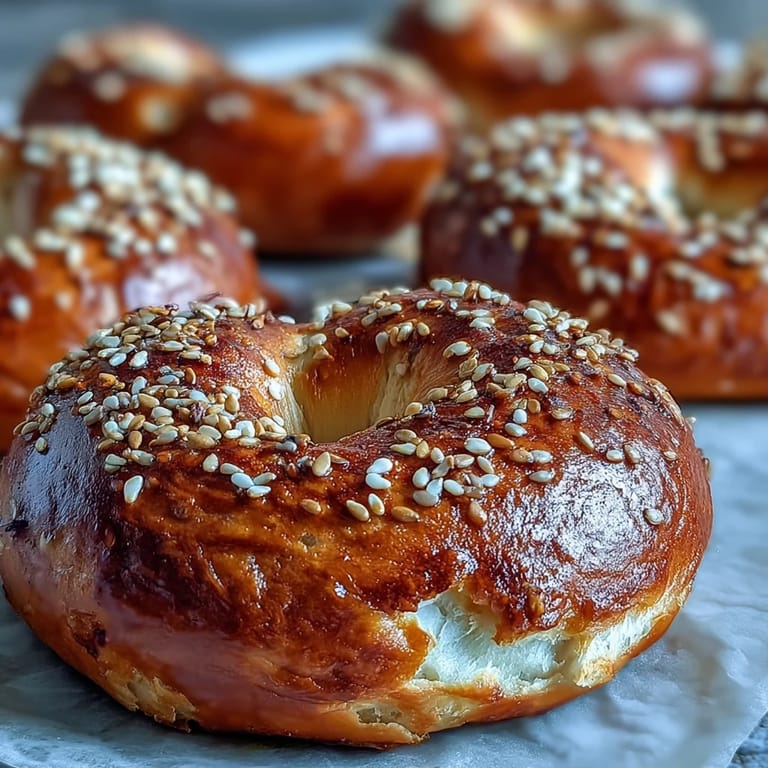
- 1 large egg, beaten: This wash gives your bagels that professional golden shine and helps toppings stick
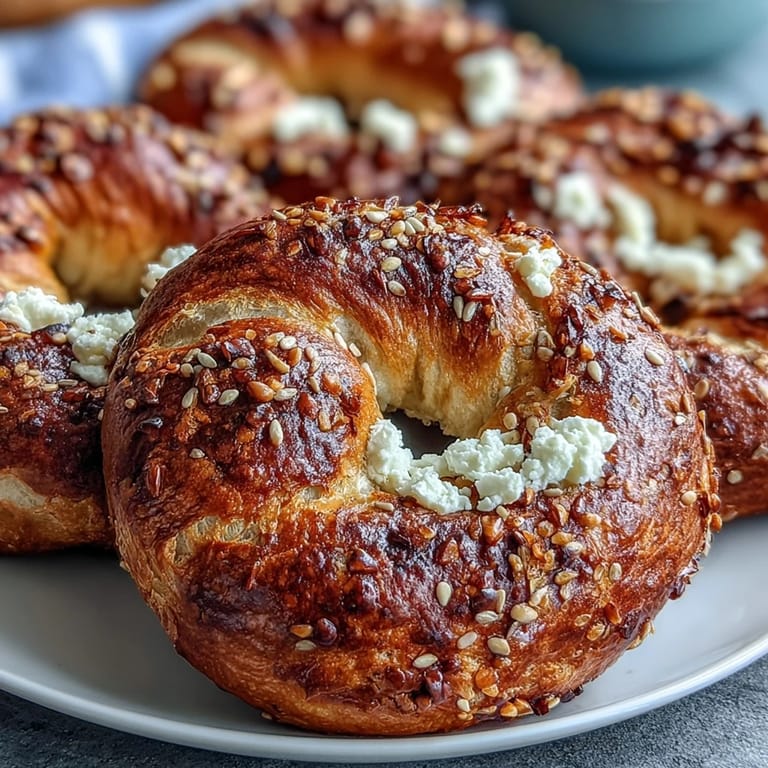
- Your choice of toppings: Everything bagel seasoning, sesame seeds, cinnamon sugar, or shredded cheese make these completely your own
Tired of Takeout? 🥡
Get 10 meals you can make faster than delivery arrives. Seriously.
One email. No spam. Unsubscribe anytime.
Instructions
- Preheat your oven:
- Get it to 375°F (190°C) and line a baking tray with parchment paper—this saves you from scrubbing baked-on cheese later.
- Whisk the dry ingredients:
- In a medium bowl, combine the flour, baking powder, and salt until everything is evenly distributed.
- Form the dough:
- Add the Greek yogurt and mix with a spatula or your hands until a shaggy dough comes together—if it is too sticky, sprinkle more flour; if it is too dry, add another spoonful of yogurt.
- Shape your bagels:
- Turn the dough onto a lightly floured surface, knead gently, divide into 4 equal pieces, roll each into a 6-inch rope, and form into rings, pinching the ends tightly to seal.
- Add the finishing touches:
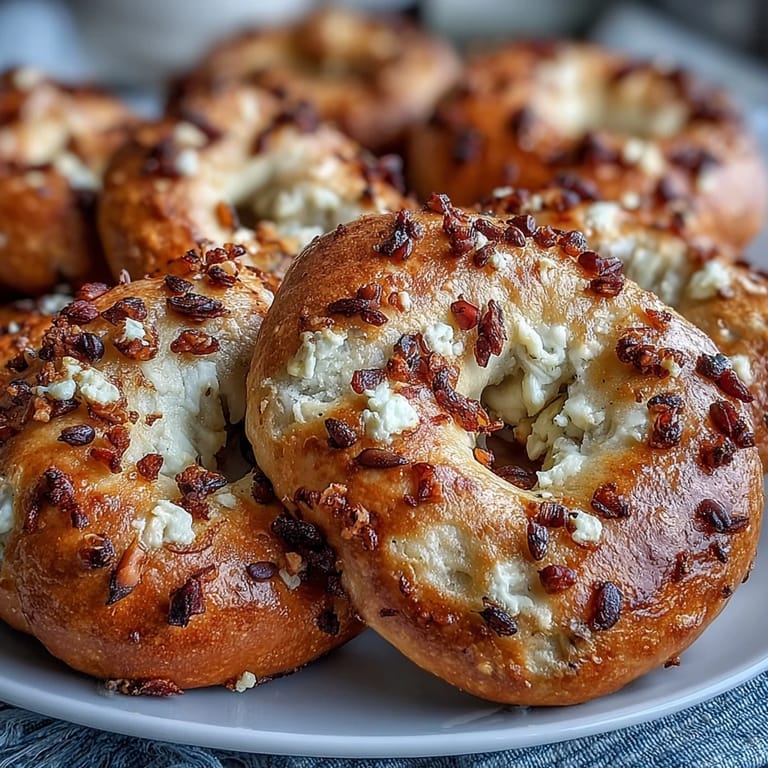
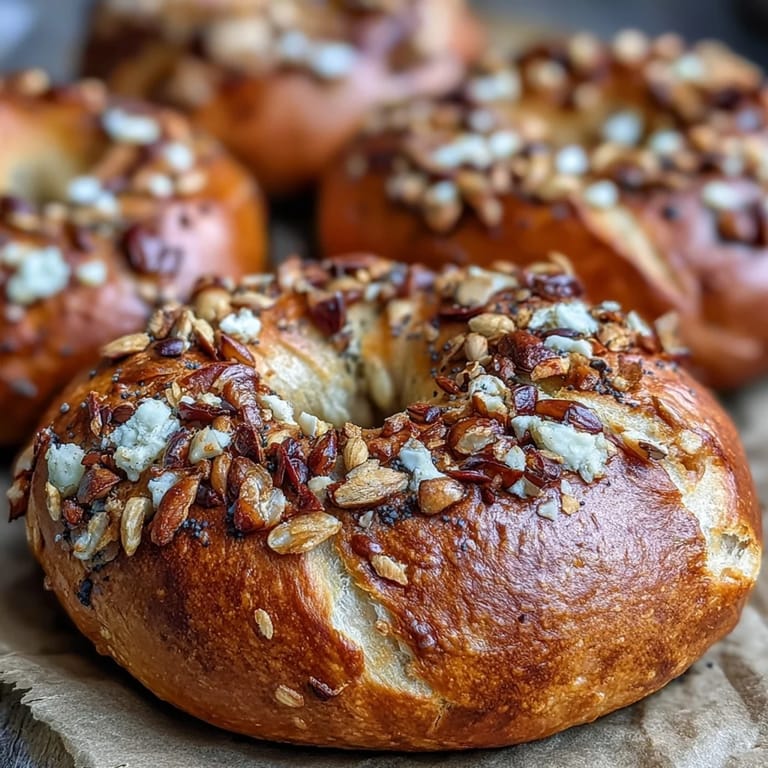
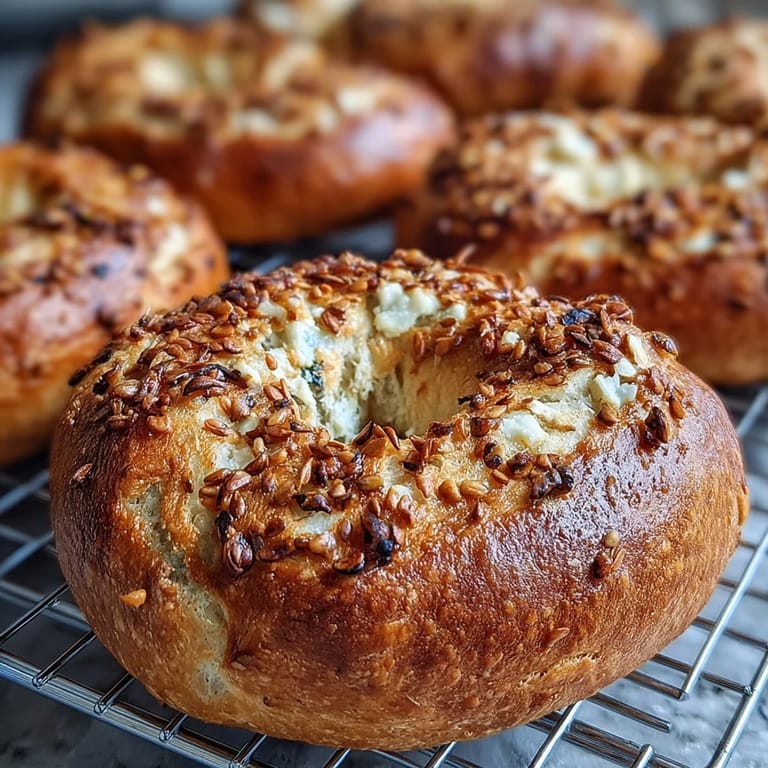
- Arrange the bagels on your prepared tray, brush the tops generously with beaten egg, and sprinkle with whatever toppings make you happy.
- Bake to golden perfection:
- Slide them into the oven for 20–25 minutes until they are golden brown and beautifully puffed, then let them cool for at least 10 minutes before slicing.
 Pin it
  Pin it
 When my dad visited last month, he was skeptical about the no-yeast approach until he took his first bite. Now he texts me every weekend asking if I have made any more, and I may have created a monster who expects fresh bagels every time he visits.
Making Them Your Own
The sweet versus savory divide is real in my house. My partner swears by cinnamon sugar versions, while I am firmly on team everything bagel seasoning with extra garlic. The dough handles both beautifully, and sometimes I make two of each to keep the peace.
Freezing For Later
I always double this recipe because they freeze like a dream. Slice them before freezing so you can pop a half directly into the toaster—future you at 7am will be so grateful for that small act of kindness.
Serving Ideas
These are the perfect vessel for whatever you have on hand. I have served them with classic cream cheese, piled high with avocado and red pepper flakes, or even split and used as burger buns for a quick weeknight dinner upgrade.
- Try them toasted with butter and honey for a simple afternoon snack
- Use day-old bagels to make the most incredible breakfast strata
- Mini versions work perfectly as appetizer sliders with lox and herbed cream cheese
 Pin it
  Pin it
 There is something deeply satisfying about making something that feels like it should take hours in the time it takes to watch a single episode of your favorite show. Happy baking.
Frequently Asked Questions
- → Can I use regular yogurt instead of Greek yogurt?
Greek yogurt works best because its strained texture creates a thicker, more substantial dough. Regular yogurt contains more whey, which can make the dough too sticky and affect the final texture. If you only have regular yogurt, strain it through cheesecloth for several hours to remove excess moisture before using.
- → Why don't these need yeast?
Baking powder provides the lift instead of yeast. The combination of baking powder with the acidic yogurt creates a chemical reaction that produces carbon dioxide bubbles, causing the dough to puff up in the oven. This eliminates the long rising time required by traditional yeast-based bagels.
- → How do I store these bagels?
Keep bagels in an airtight container at room temperature for up to 2 days. For longer storage, refrigerate for up to 5 days or freeze individually wrapped for up to 3 months. To refresh, toast sliced bagels or warm them in a 350°F oven for 5-10 minutes.
- → Can I make these gluten-free?
Yes, substitute the all-purpose flour with a 1:1 gluten-free flour blend that contains xanthan gum. The texture may be slightly different—more crumbly and less chewy—but still delicious. You may need to adjust the amount of yogurt slightly depending on your flour blend.
- → Why is my dough too sticky or too dry?
Yogurt brands vary in thickness. If your dough is sticky, add flour one tablespoon at a time until manageable. If it's dry and crumbly, add more yogurt a teaspoon at a time. The perfect dough should be slightly tacky but not stick to your hands excessively.
- → Can I skip the egg wash?
The egg wash helps toppings adhere and creates a shiny, golden-brown finish. You can skip it, but your toppings may fall off and the bagels will have a matte appearance. For a vegan alternative, try brushing with melted butter or plant milk mixed with a splash of maple syrup.