 Save
Save I discovered this version of mac and cheese by accident on a Tuesday night when my usual cheddar sauce broke and I was left staring at a pot of separated, greasy disaster. Out of desperation more than culinary inspiration, I grabbed the cottage cheese from the fridge and threw it into the blender with some milk, thinking I had nothing left to lose. Twenty minutes later, I was genuinely shocked—the creamy, protein-packed sauce clinging to every noodle felt luxurious and light at the same time, like I'd stumbled onto something I'd been eating wrong my whole life.
I made this for my roommate last month when she came home from the gym ravenous and slightly skeptical about my "healthy mac and cheese" promise. She took one bite, paused, and asked what I'd done differently—not in an accusatory way, but genuinely curious. That moment when someone you cook for actually wants the recipe is the whole reason I make food at home.
Ingredients
- Elbow macaroni, 300 g: The classic pasta shape that catches sauce in every curve and cooks to tender in about 8 minutes—don't overcook it or the whole dish suffers.
- Low-fat cottage cheese, 400 g: The magic ingredient that transforms into creamy sauce when blended smooth; use the kind without visible curds.
- Milk, 120 ml: Dairy or unsweetened plant-based both work, though whole milk creates a richer sauce than skim.
- Sharp cheddar cheese, shredded, 120 g: The sharpness cuts through the cottage cheese's mildness and gives you that unmistakable cheddar bite.
- Parmesan cheese, grated, 25 g: A smaller amount goes a long way—it adds a nutty depth that elevates the whole thing.
- Cream cheese, 2 tbsp: Just enough to deepen the sauce without making it heavy or overly tangy.
- Garlic powder and onion powder, ½ tsp each: These quiet helpers build flavor without any raw sharpness.
- Smoked paprika, ¼ tsp: Optional but worth it if you want a whisper of smokiness in the background.
Tired of Takeout? 🥡
Get 10 meals you can make faster than delivery arrives. Seriously.
One email. No spam. Unsubscribe anytime.
Instructions
- Get the pasta going:
- Fill a large pot with water, salt it generously until it tastes like the sea, and bring it to a rolling boil. Add your macaroni and stir occasionally so nothing sticks to the bottom, cooking until it's tender with just the slightest firmness when you bite it.
- Blend the magic:
- While the pasta bubbles away, combine the cottage cheese, milk, cream cheese, garlic powder, onion powder, pepper, paprika, and a small pinch of salt in your blender or food processor. Blend until completely smooth—this usually takes about a minute, and you want zero cottage cheese chunks visible.
- Warm the sauce gently:
- Pour your blended mixture into a saucepan over medium-low heat, then stir in the shredded cheddar and Parmesan. Watch it carefully as the cheese melts into the sauce, which takes just a few minutes—keep the heat low because if it boils, the texture gets grainy and sad.
- Bring it together:
- Drain your pasta and add it directly to the sauce, then toss everything until every noodle is coated in that creamy goodness. Taste it, and adjust salt or add a tiny splash more milk if it feels too thick.
- Serve with love:
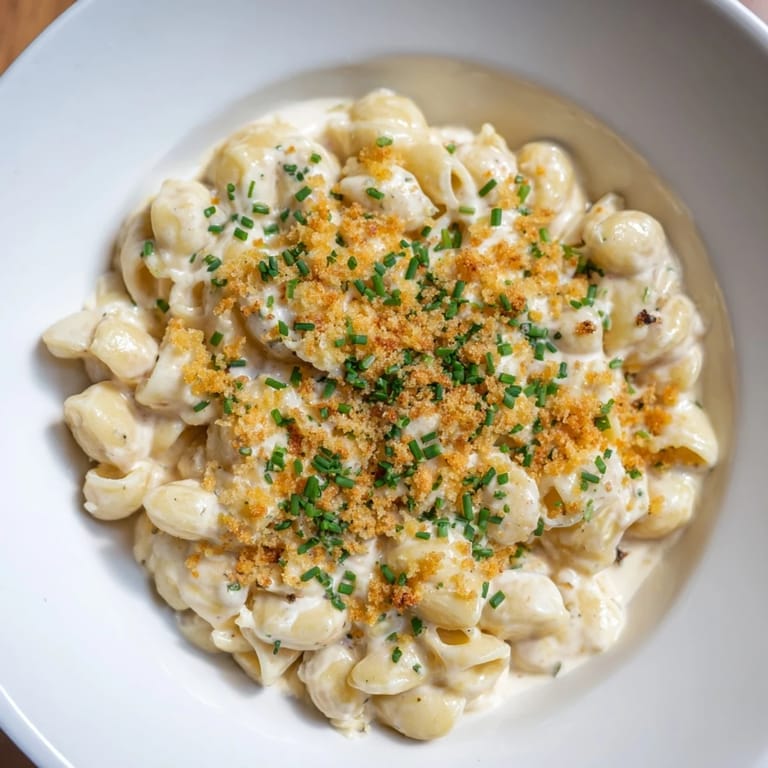
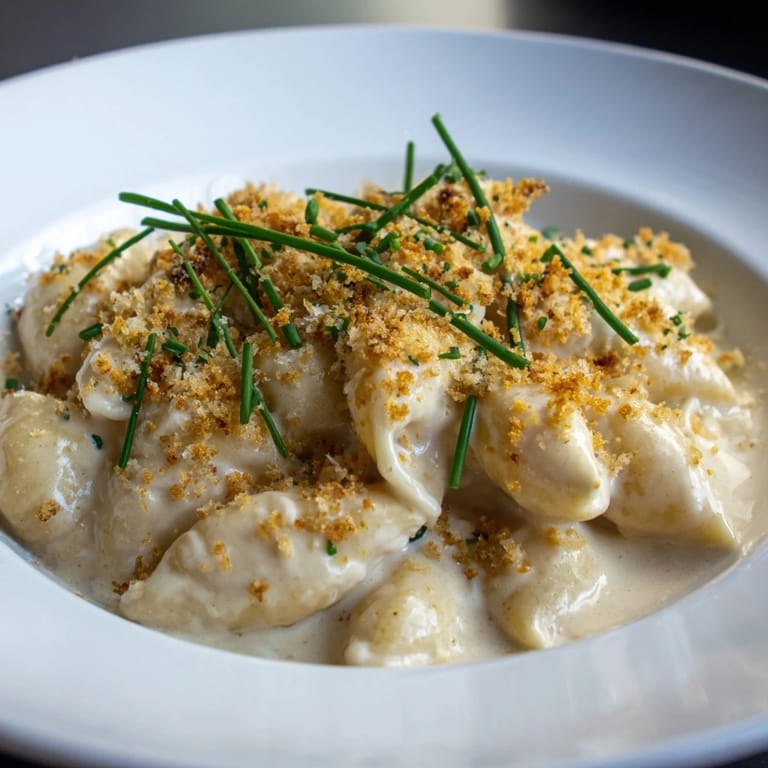
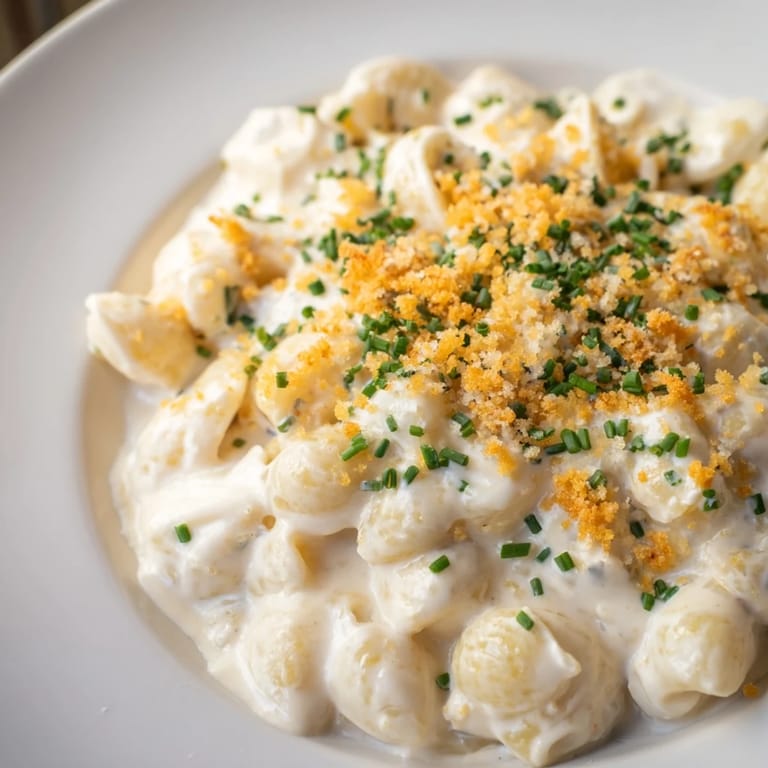
- Transfer to bowls or a serving dish and top with fresh chives or parsley and toasted breadcrumbs if you want that little textural surprise.
 Pin it
 There's something almost healing about a bowl of this mac and cheese on a cold night when everything feels complicated. It's substantial enough to feel like real food, creamy enough to feel like comfort, and quick enough to actually happen on a Tuesday.
Protein Without the Guilt
The cottage cheese does something clever here—it delivers 27 grams of protein per serving while making the sauce taste nothing like cottage cheese. Most people don't even realize what they're eating until you tell them, which says everything about how well it blends into something entirely new. I used to think of cottage cheese as breakfast food or salad topping, but this version showed me it's actually a secret weapon for creamy sauces.
Making It Your Own
The base is solid, but your mac and cheese doesn't have to be boring once you master it. I've stirred in everything from roasted broccoli to crispy bacon to poached chicken, and every version felt like I was building on something reliable rather than starting from scratch. The sauce is forgiving enough to handle mix-ins, which means you can build this into whatever your week needs it to be.
Storage and Second Servings
Leftovers live in the fridge for about three days, though I find it's best eaten fresh. If you're reheating, add a small splash of milk and warm it gently over low heat on the stovetop so the sauce stays creamy instead of drying out. I've also frozen it successfully in portions, which makes weeknight dinner incredibly simple on days when you need something fast and satisfying.
- Cool it completely before storing to avoid condensation that makes everything watery.
- Reheat gently over low heat, never in the microwave if you can help it.
- A sprinkle of fresh herbs right before serving always makes leftovers taste fresher.
 Pin it
 This is the kind of recipe that sneaks into rotation because it works every single time, tastes genuinely delicious, and somehow makes you feel a little better about feeding yourself well. That's the whole story.
Frequently Asked Questions
- → Can I use a different pasta shape?
Yes, short pasta varieties like penne or shells work well to hold the creamy sauce.
- → How do I make the sauce smooth?
Blend the cottage cheese, milk, and seasonings thoroughly until completely smooth before heating gently with the cheeses.
- → Is it possible to make this dish gluten-free?
Absolutely, simply substitute regular pasta with certified gluten-free pasta to accommodate dietary needs.
- → What can I add for extra protein?
Mix in cooked chicken pieces or peas after combining pasta and sauce for a protein boost.
- → Can I swap the cheeses used in the sauce?
Yes, alternatives like Gruyère or Gouda can replace cheddar for different flavor profiles.