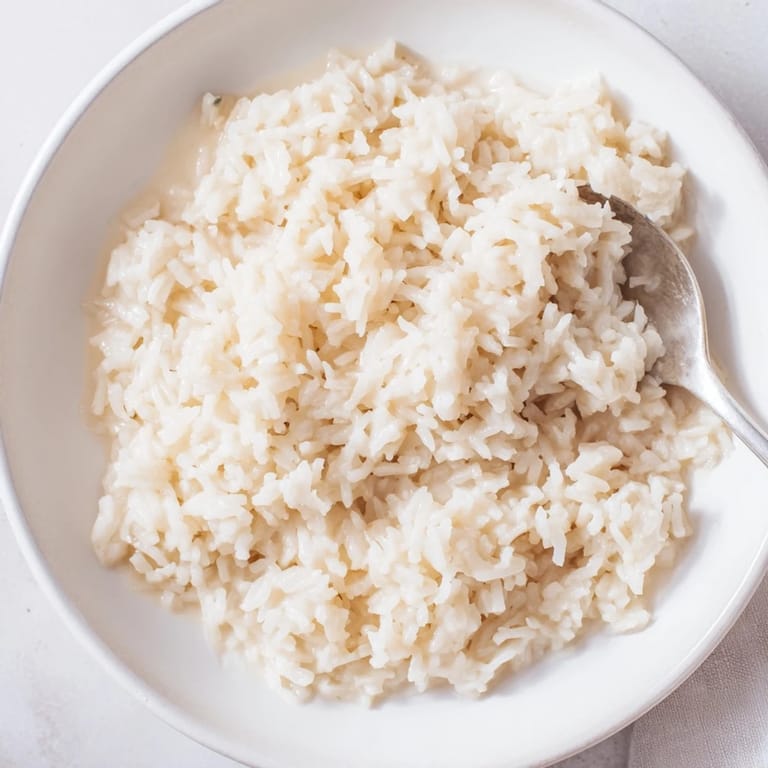
 Save
Save There's a small Thai restaurant tucked between two shops on my old street where I first tasted coconut jasmine rice, and it completely changed how I thought about side dishes. The cook there would bring out steaming bowls alongside curry, and I remember being struck by how the rice itself was almost a complete experience—fragrant, creamy, subtly sweet. Years later, I finally asked for the secret, and it turned out to be wonderfully simple: jasmine rice cooked in coconut milk instead of water. Now I make it at home whenever I want to transport myself back to that corner booth, and somehow it always tastes like coming home.
I made this for the first time when my sister was visiting and brought Thai takeout home, and I served it alongside—I was nervous she'd notice mine wasn't quite restaurant-perfect, but she asked for the recipe before she even finished eating. That moment felt like winning something, even though I'd only just figured out how to do it. Now whenever she visits, she requests it specifically, and I love that something so simple has become part of our tradition.
Ingredients
- Jasmine rice (1 cup): This variety matters because jasmine grains are slightly longer and more delicate than standard white rice, with a natural floral note that shines when cooked in coconut milk; rinsing removes excess starch and prevents gumminess.
- Coconut milk (1 cup, full-fat unsweetened): Full-fat is essential here—lighter versions won't give you that velvety texture and richness that makes each spoonful feel luxurious.
- Water (1 cup): Balances the coconut milk's intensity so the rice doesn't become too heavy; think of it as the supporting actor that lets the jasmine flavor breathe.
- Salt (½ teaspoon): A small amount enhances the sweetness of the coconut and prevents the dish from tasting flat or one-dimensional.
- Sugar (1 teaspoon, optional): Use this only if your coconut milk tastes bitter or if you want the rice to lean toward dessert-like sweetness; I usually skip it and let the coconut's natural sugar do the work.
Tired of Takeout? 🥡
Get 10 meals you can make faster than delivery arrives. Seriously.
One email. No spam. Unsubscribe anytime.
Instructions
- Rinse your rice:
- Place jasmine rice in a fine-mesh strainer and run it under cold water while gently stirring with your fingertips until the water runs completely clear—this takes about a minute and removes the powdery starch coating that would otherwise make your rice sticky and gluey.
- Combine everything in the saucepan:
- Pour the rinsed rice into a medium saucepan, then add coconut milk, water, and salt all at once; stir gently to distribute the salt and ensure every grain gets coated.
- Bring to a gentle boil:
- Set the heat to medium and let the mixture come to a steady boil—you'll see steam rising and the liquid beginning to bubble around the edges, usually within 3-4 minutes.
- Cover and simmer low:
- Once boiling, immediately reduce the heat to the lowest setting, cover the pan with a tight-fitting lid (or use foil if your lid doesn't seal well), and leave it completely undisturbed for exactly 15 minutes; resist the urge to peek because heat escapes and disrupts the cooking process.
- Rest before serving:
- After 15 minutes, remove the pan from heat but keep it covered for another 10 minutes—this final rest allows any remaining liquid to absorb completely and the grains to firm up slightly so they'll separate beautifully when fluffed.
- Fluff gently and serve:
- Use a fork to gently break up the grains, lifting from the bottom of the pan and turning them over the top; this aerates the rice and prevents clumping while keeping it tender.
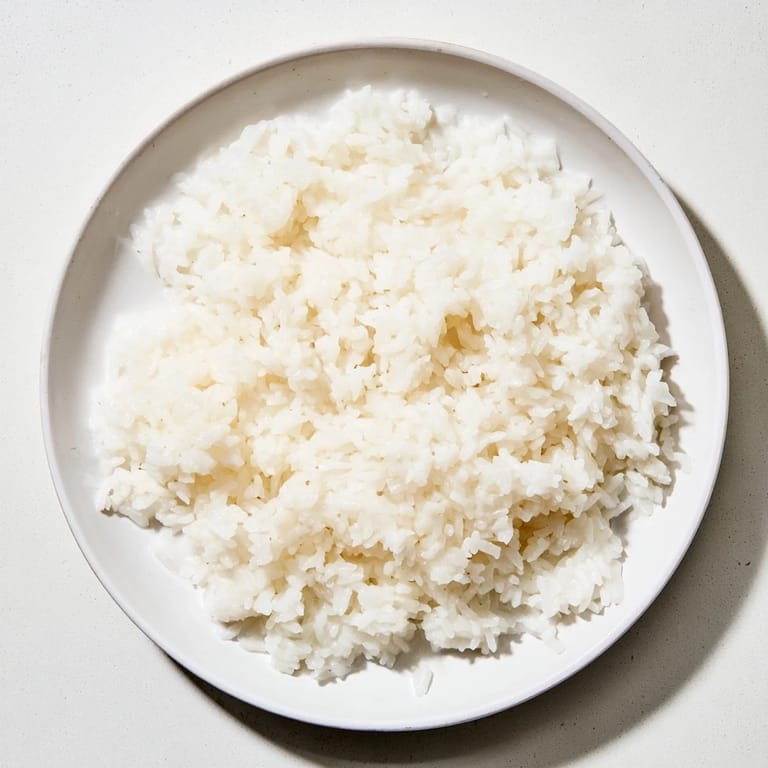 Pin it
 I served this at a dinner party once when someone mentioned they'd never had Thai food, and watching them take that first bite and just close their eyes for a second—that's when I realized this simple rice dish had become something meaningful to me. It proved that sometimes the most comforting food doesn't need to be complicated.
Why This Pairs Better Than Plain Rice
Coconut jasmine rice works differently in a meal than regular steamed rice. The coconut milk creates a soft richness that doesn't overpower spices, and the jasmine aroma has a quiet complexity that makes curries and stir-fries taste even more vibrant. I've noticed that dishes served alongside this rice taste slightly deeper and more restaurant-quality, even when they're simple homemade versions. It's like the rice is lifting everything else up with it.
Quick Flavor Variations to Try
Once you've made this basic version a few times, you'll start noticing opportunities to adjust it to match what you're cooking. A small piece of ginger adds warmth without overpowering, pandan leaves bring an almost vanilla-like sweetness, and a pinch of cardamom can make the rice feel almost like a dessert side. The magic is that you can alter it subtly without losing that core jasmine-and-coconut identity that makes it special.
Storage and Reheating
This rice keeps beautifully in the refrigerator for up to 4 days and actually gets firmer the next day, which makes it ideal for fried rice or eating cold in a bowl. Reheat it gently by adding a splash of water and warming it over low heat, stirring occasionally until steamy again. The coconut milk helps prevent it from drying out, so day-old batches often taste almost as good as fresh.
- Store in an airtight container and let it cool completely before sealing to prevent condensation.
- If reheating in the microwave, cover it loosely so steam can escape without creating soggy spots.
- Cold coconut rice with fresh herbs and a squeeze of lime makes an unexpectedly delicious lunch the next day.
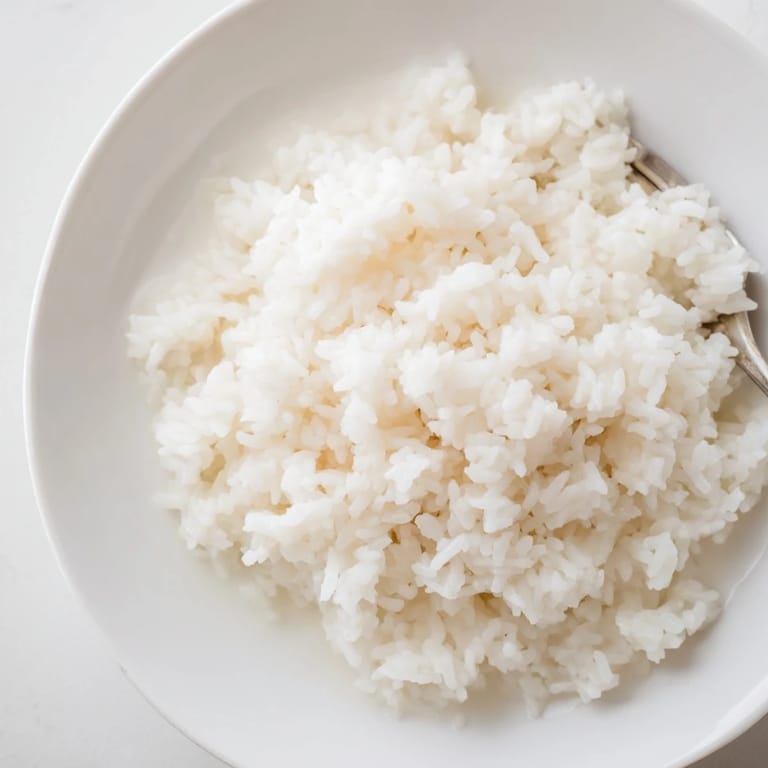 Pin it
 This recipe taught me that the simplest dishes often become the ones people remember most. Make it once, and it'll probably become your go-to side dish for everything from weeknight dinners to special meals.
Frequently Asked Questions
- → What type of rice is best for this dish?
Jasmine rice is recommended for its natural fragrance and slightly sticky texture that absorbs coconut milk well.
- → Can I use light coconut milk instead of full-fat?
Full-fat coconut milk provides a creamier and richer flavor, but light coconut milk can be used for a lighter dish with less richness.
- → How do pandan leaves affect the dish?
Pandan leaves add a subtle, floral aroma that enhances the overall fragrance of the rice when simmered together.
- → Is it necessary to rinse the rice before cooking?
Rinsing jasmine rice removes excess starch, preventing clumping and ensuring the final texture is fluffy and light.
- → Can this be made ahead and reheated?
Yes, store cooked rice in the refrigerator and gently reheat with a splash of water or coconut milk to restore moisture.