 Save
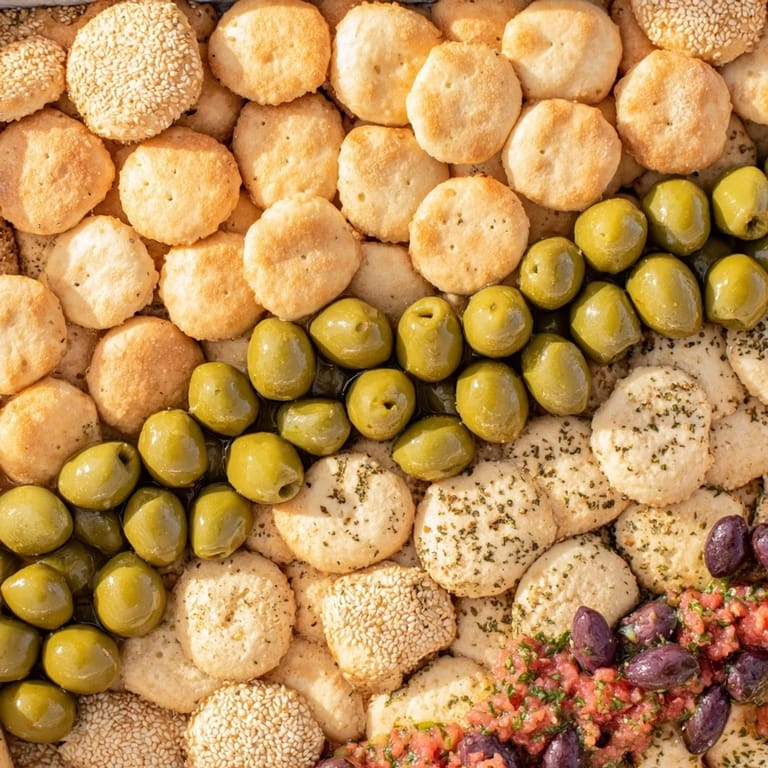
Save I discovered this dish at a small wine bar tucked between cobblestone streets in a sleepy European town, where the appetizer platter arrived looking less like food and more like edible art. The way the round crackers were nestled together with olives filling every gap made me pause before eating—it felt wrong to disturb something so carefully arranged. Back in my own kitchen, I recreated that moment, realizing that the magic wasn't in fancy ingredients but in taking time to build something beautiful. Now it's become my go-to when I want guests to feel that same sense of delight the moment they see the board.
I remember setting this out for my sister's art gallery opening, nervous that something so simple might seem underwhelming next to all the fancier dishes. Within minutes, people were clustered around it, picking at the crackers and olives like they were uncovering treasure, and someone actually asked for the recipe. That's when I realized the appeal wasn't about complexity—it was about inviting people to engage with their food in a playful way.
Ingredients
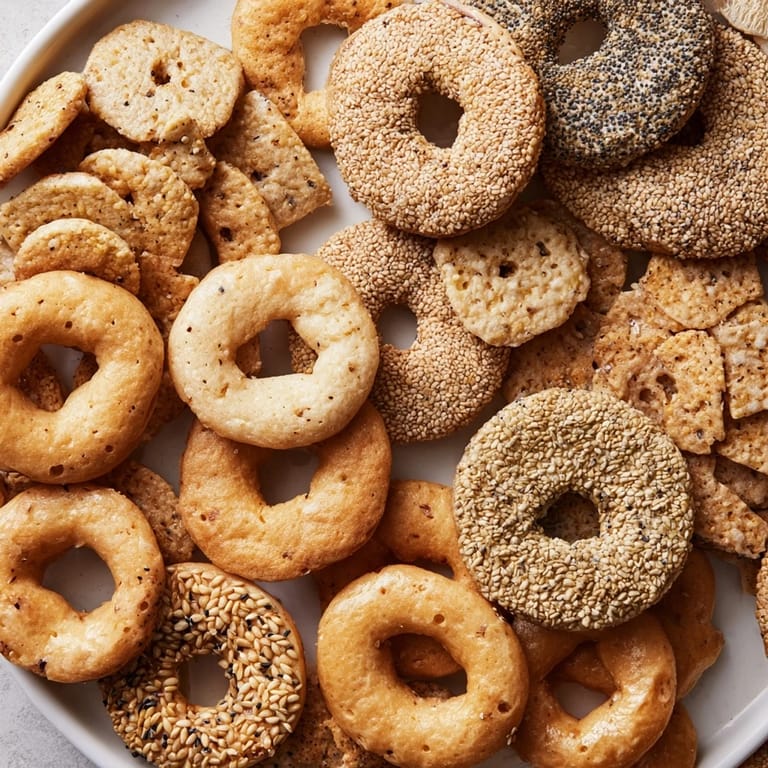
- Round crackers (36–40, such as water crackers, multigrain, or rice crackers): These are your cobblestones, so choose varieties with different colors and textures for visual interest; I prefer a mix because it makes the whole arrangement feel more organic and less perfectly staged.
- Assorted olives (1 cup, pitted, such as green Castelvetrano, Kalamata, and black olives): The variety of colors creates depth and the different sizes help fill awkward gaps between crackers in a natural-looking way.
- Fresh herbs (2 tbsp chopped, such as parsley, thyme, or rosemary): These add a final flourish of color and freshness, though they're optional if you prefer to let the crackers and olives be the stars.
- Crumbled feta or goat cheese (1/4 cup): A tangy finishing touch that catches light beautifully on the board and adds a creamy contrast to the salty, briny elements.
- Extra virgin olive oil (1 tbsp): A light drizzle brings everything together and adds subtle shine that makes the whole platter look professionally composed.
Tired of Takeout? 🥡
Get 10 meals you can make faster than delivery arrives. Seriously.
One email. No spam. Unsubscribe anytime.
Instructions
- Choose your canvas:
- Pick a large serving platter or board that gives you plenty of room to work—the bigger the better because it lets you create actual visual drama. I use a wooden charcuterie board because the warm tone complements both the crackers and olives beautifully.
- Lay down your stones:
- Arrange the crackers in a random, slightly overlapping pattern, like you're looking at an old street that's been walked on for centuries. The key is letting them sit at different angles and not worrying about perfect uniformity, which is what makes it feel authentic.
- Fill the mortar:
- Tuck the olives into the gaps between crackers snugly, using their varied sizes to fill whatever spaces you have. This is the meditative part where you can take your time and really compose the board like you're creating a small edible landscape.
- Add finishing details:
- Scatter the chopped herbs and cheese crumbles across the top in clusters rather than evenly distributed—it looks more intentional and less predictable. A light drizzle of olive oil ties everything together and gives the whole thing a polished, inviting sheen.
- Serve immediately:
- Bring it to the table as an interactive centerpiece and watch people's faces light up as they realize they're meant to pick away at it. The joy is in the discovery.
 Pin it
 What surprised me most about this dish was how it transformed a casual dinner party into something people wanted to photograph and share. It wasn't fancy or complicated, but it was thoughtful enough to make everyone feel special, and somehow that mattered more than anything else on the table.
Building Visual Depth
The magic of this platter lives in its composition rather than its ingredients. I learned this by trying it both ways—first with everything arranged in neat rows, which looked sterile, and then with a more organic, scattered approach that actually invited people to dig in. The best versions I've made use three or four different olive colors and at least two different cracker types, which creates enough visual interest that people lean in for a closer look. Don't underestimate how much the board itself matters; a wooden one warms up the whole arrangement and makes it feel more approachable than a stark white platter.
Pairing and Serving Suggestions
This appetizer works beautifully with light, crisp wines because the saltiness of the olives and cheese creates a natural bridge to briny, mineral white wines. I've served it at wine tastings, before dinner parties, and even as a casual snack board, and it adapts to every context without needing to change a thing. The ten-minute prep time means you can pull this together while guests are arriving, and the interactive nature keeps people entertained while you finish other dishes. It's one of those recipes that punches above its weight in terms of impact because it engages multiple senses—the visual appeal draws people in, the variety of textures and flavors keeps them interested, and the act of building it creates a shared experience.
Customization and Variations
Once you understand the structure, this platter becomes a canvas for whatever you have on hand or whatever mood you're in. I've added roasted almonds for crunch, marinated artichokes for tanginess, cherry tomatoes for color, and even small cubes of aged cheddar when I wanted to go richer. The principle stays the same—you're creating visual contrast and textural variety by filling a board with small, pickable bites arranged to look intentional but casual. Some nights I lean into the Mediterranean vibe with extra herbs and a drizzle of really good olive oil; other times I keep it minimalist and let the crackers and olives stand alone.
- Roasted nuts add pleasant crunch and fill gaps where olives might look sparse.
- Marinated artichokes, sun-dried tomatoes, or pickled vegetables introduce tanginess and unexpected flavors.
- For a heartier version, add soft cheese like ricotta or hummus in small ramekins at the edges of the board.
 Pin it
 This dish taught me that sometimes the most memorable meals aren't about complicated recipes or rare ingredients—they're about taking a moment to make something with intention and care. Serve it with genuine warmth and watch it disappear.
Frequently Asked Questions
- → What types of crackers work best?
Round crackers such as water, multigrain, or rice crackers work well for creating a cobblestone effect and provide varied textures.
- → Can I substitute the olives?
Assorted olives like Castelvetrano, Kalamata, and black olives add color and flavor, but you can customize based on preference.
- → How can I enhance the visual appeal?
Adding chopped fresh herbs and crumbled cheese creates contrast and adds aromatic complexity to the arrangement.
- → Is this platter suitable for dietary restrictions?
Using gluten-free crackers and omitting cheese can adapt the dish for gluten-free or vegan diets.
- → What serving tools are recommended?
A large serving platter or charcuterie board paired with small tongs or spoons makes serving neat and easy.