 Save
Save My uncle used to fry catfish every summer on his back porch, and the smell of that golden crust hitting hot oil meant the whole neighborhood knew something special was happening. I'd watch him work with this easy confidence, buttermilk dripping off the fillets before they hit the cornmeal mixture, and I realized this wasn't fancy cooking—it was honest cooking. The first time I tried it myself, I was nervous about the temperature, the timing, whether I'd mess it up, but the moment that first fillet turned golden brown, I understood why this dish has fed families for generations.
I made this for a group of friends last spring who'd all grown up eating soul food, and I was genuinely nervous about measuring up to their childhood memories. But as soon as they took their first bites and closed their eyes, I knew I'd nailed it—that remoulade sauce got passed around the table like it was liquid gold, and someone asked if I'd learned to cook from a grandmother, which felt like the highest compliment possible.
Ingredients
- Catfish fillets: Look for fillets that are roughly the same thickness so they cook evenly—ask your fishmonger to cut them uniform if possible, and don't skip the buttermilk marinade because it's what keeps the flesh tender and sweet.
- Buttermilk and hot sauce: The acidity in buttermilk tenderizes the fish while the hot sauce adds subtle depth, so don't be tempted to use regular milk as a shortcut.
- Yellow cornmeal: This is the secret to authentic crunch—white cornmeal works but won't give you that same golden, crispy coating.
- Flour: Mix it with cornmeal so the coating sticks properly and creates those beautiful, uneven, craggy edges that trap heat.
- Paprika, garlic powder, onion powder, cayenne: These spices work together to build warmth and complexity without overwhelming the delicate fish flavor, so measure carefully.
- Vegetable oil: Use an oil with a high smoke point—peanut oil is traditional in the South and brings its own subtle flavor that feels right.
- Mayonnaise, Dijon mustard, horseradish: These three ingredients form the backbone of remoulade sauce, creating a creamy base with sharp, assertive notes.
- Fresh lemon juice, parsley: These brighten the sauce at the end and make it taste alive instead of heavy.
Tired of Takeout? 🥡
Get 10 meals you can make faster than delivery arrives. Seriously.
One email. No spam. Unsubscribe anytime.
Instructions
- Make the buttermilk bath:
- Whisk buttermilk with hot sauce in a shallow dish until combined, then submerge your catfish fillets and let them sit for at least fifteen minutes—the longer they rest, the more tender they'll be. This step feels simple but it's doing crucial work underneath the surface.
- Mix your coating blend:
- In another shallow dish, combine cornmeal, flour, paprika, garlic powder, onion powder, cayenne, salt, and black pepper, stirring to distribute spices evenly so no bite tastes bland. Taste a tiny pinch of the mixture—it should make you want more.
- Heat your oil to the right temperature:
- Pour about an inch of vegetable oil into your skillet and let it reach 350°F, which is hot enough to create a crust but not so hot that the outside burns before the inside cooks. Use a thermometer because guessing usually ends in disappointment.
- Dredge and fry with intention:
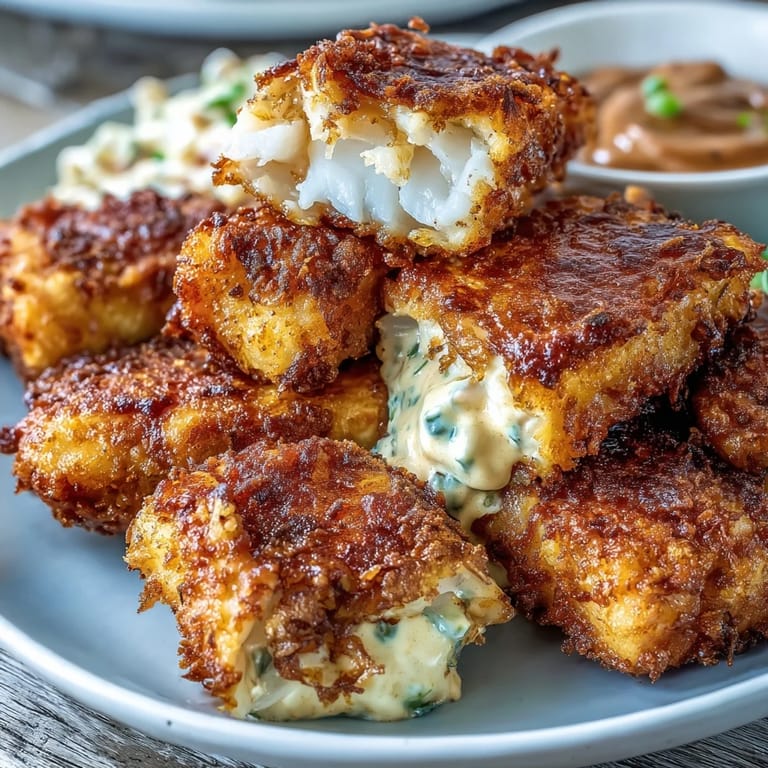
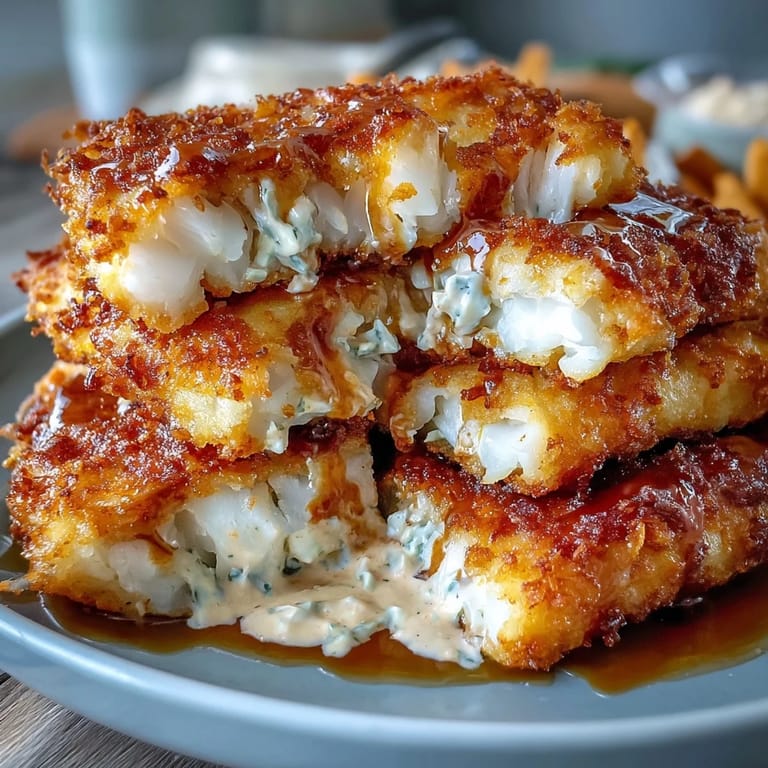
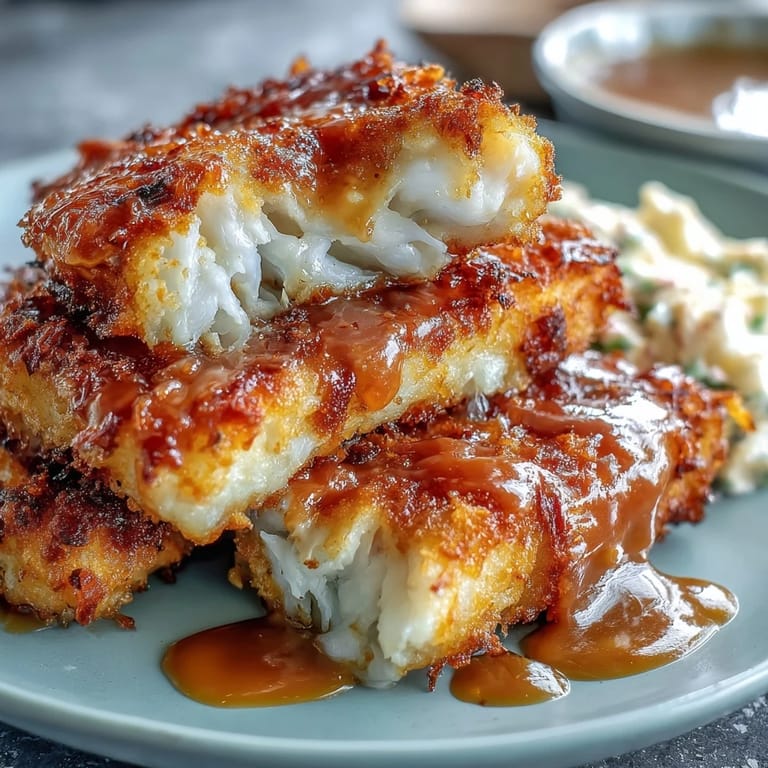
- Pull each fillet from the buttermilk, let excess drip back into the dish, then press it gently into your cornmeal mixture, coating both sides and edges evenly. Working in batches so you don't crowd the pan, fry each fillet for three to four minutes per side until the coating turns deep golden and you can see the crust is set.
- Drain and rest your catch:
- Transfer fried fillets to a paper towel-lined plate where they'll shed excess oil and stay crispy—don't pile them on top of each other or they'll steam and lose that crunch you worked for.
- Build the remoulade sauce:
- In a bowl, whisk together mayonnaise, Dijon mustard, horseradish, hot sauce, and pickle relish, then add fresh lemon juice, minced garlic, and smoked paprika, folding in chopped parsley last so it stays bright green. Taste and adjust salt and pepper until it makes you pause.
- Bring it all together:
- Arrange your golden fillets on a plate and serve the remoulade sauce on the side so people can dip as much or as little as they like—this respects both the fish and their preferences.
 Pin it
 There's a moment when you're standing at the stove and the smell of frying catfish rises up with that distinctive cornmeal aroma, and you realize you're doing something that connects you to countless kitchens, countless family tables, countless memories that came before yours. That's when food becomes more than sustenance—it becomes a conversation across time.
Why This Dish Matters
Soul food fried catfish isn't just a recipe—it's a tradition rooted in resourcefulness and flavor, born from taking humble ingredients and transforming them into something that tastes special. When you make this, you're honoring that legacy while creating new memories in your own kitchen. This dish teaches you that good food doesn't require complicated techniques or expensive ingredients, just respect for what you're cooking and attention to details like oil temperature and coating evenness.
Pairing and Serving Suggestions
Fried catfish tastes best served immediately while the coating is still crackling, ideally with sides that echo the Southern kitchen tradition like creamy grits, buttered corn bread, or tangy coleslaw that cuts through the richness. Some people serve it with hush puppies on the side, and that combination—crispy fried cornmeal on cornmeal—somehow feels exactly right. A cold beverage, whether sweet tea or lemonade, makes the meal feel complete and grounded in tradition.
Storage and Make-Ahead Wisdom
You can prepare the remoulade sauce up to two days ahead, which means on the day you cook, you're only managing the fish and the oil temperature—a smart move if you're feeding a crowd. The catfish is best eaten fresh, but leftover fillets can be refrigerated for one day and reheated gently in a low oven, though the crust won't be quite as crackling. The marinade and coating mixture can both be prepared several hours before cooking, so you're really just frying when your guests arrive.
- Make the remoulade ahead so you can focus entirely on frying without distraction or stress.
- Don't attempt to make this dish ahead and reheat it expecting the same crispy texture—fish is best fried to order.
- If you're cooking for a large group, set up a cooling station with paper towels so fillets drain properly and stay separate.
 Pin it
 Every time you make this dish, you're adding your own chapter to a story that's been written in kitchens across the American South. This is food that nourishes both body and spirit, and that's why it endures.
Frequently Asked Questions
- → How do I achieve a crispy crust on the catfish?
Marinate the fillets in buttermilk and hot sauce, then coat them thoroughly in a seasoned cornmeal and flour mixture before frying in hot oil to crisp them up.
- → What kind of oil is best for frying catfish?
Use vegetable oil or another neutral oil with a high smoke point to ensure even frying and a crispy exterior.
- → Can I prepare the remoulade sauce ahead of time?
Yes, the remoulade sauce can be mixed in advance and refrigerated to allow the flavors to meld for a richer taste.
- → What spices enhance the Southern flavor in this dish?
Paprika, cayenne pepper, garlic powder, and smoked paprika contribute to the signature Southern spice blend.
- → What are suitable side dishes to serve with this catfish?
Classic sides like coleslaw, hush puppies, or creamy grits complement the fried catfish perfectly.