 Save
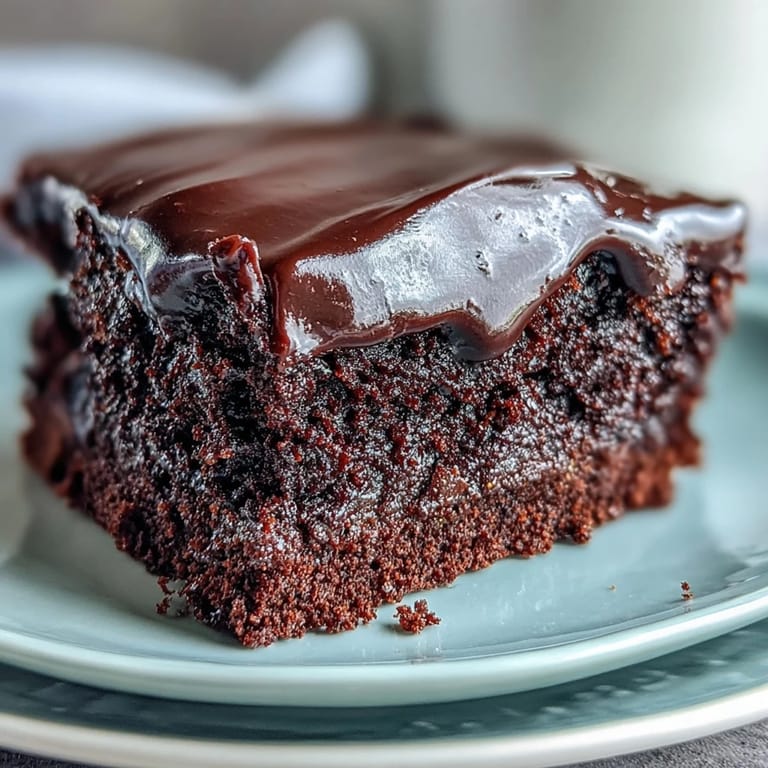
Save There's something about the smell of melting chocolate that stops time in the kitchen. Years ago, a friend arrived unexpectedly on a gray afternoon, and I had nothing but butter, dark chocolate, and eggs in the house. That impromptu baking session turned into this cake, and now it's become my go-to when I need something that feels both effortless and impressive. The magic is in how simple ingredients transform into something impossibly squidgy and rich, with an icing so silky it practically melts on your tongue.
I baked this for my mum's birthday once, and she actually teared up—not because it was perfect, but because the kitchen smelled like her childhood. She stood there with a fork in hand, slightly embarrassed, eating a slice cold straight from the tin at midnight. That's when I realized this wasn't just a cake; it was the kind of thing that reminds people why they love eating.
Ingredients
- Unsalted butter (200g plus extra for greasing): Use the good stuff here because butter is doing the heavy lifting in both cake and icing, and it makes a real difference in the final texture.
- Dark chocolate (200g, minimum 50% cocoa): Don't go too dark or you'll lose the sweetness; 60-70% is the sweet spot where richness and flavor balance perfectly.
- Light brown sugar (250g): The molasses in brown sugar adds depth that white sugar can't match, giving the cake that fudgy character.
- Eggs (3 large): Room temperature eggs incorporate better and create a fluffier crumb, so take them out of the fridge while you're prepping.
- Plain flour (200g): Weigh this if you can because scooping can pack too much flour in and dry out your cake.
- Baking powder (1½ tsp): This is what gives the cake its rise without making it bouncy or light; it's essential for that fudgy texture.
- Fine sea salt (¼ tsp): Salt seems tiny but it enhances chocolate flavor dramatically and balances the sweetness.
- Cocoa powder (50g): Use unsweetened cocoa; the sweetness comes from sugar and chocolate, and cocoa adds depth.
- Whole milk (150ml): It keeps the batter from being too stiff, and whole milk adds richness that skimmed would miss.
- Vanilla extract (1 tsp): A real vanilla extract, not the imitation stuff, makes a subtle but noticeable difference in the final flavor.
- Dark chocolate for icing (150g): Choose the same quality as your cake chocolate so the icing tastes consistent.
- Unsalted butter for icing (100g): Butter makes the icing glossy and spreadable; don't skip it or substitute it.
- Icing sugar (200g, sifted): Sift it before you use it because lumps will ruin the smooth, silky finish you're after.
- Whole milk for icing (3 tbsp): A little at a time gives you control over how thick or spreadable your icing becomes.
Tired of Takeout? 🥡
Get 10 meals you can make faster than delivery arrives. Seriously.
One email. No spam. Unsubscribe anytime.
Instructions
- Prep the tins like you mean it:
- Preheat your oven to 180°C (160°C fan) and grease those cake tins generously, then line them with baking paper. This step feels tedious but cold cake sticking to a tin is genuinely heartbreaking, so take the two minutes.
- Melt chocolate the slow, gentle way:
- Set a heatproof bowl over simmering water and add your chopped butter and chocolate, stirring occasionally until everything is glossy and smooth. If you rush this with high heat, the chocolate seizes and you've lost the silkiness.
- Whisk sugar and eggs into submission:
- In a large bowl, whisk the sugar and eggs together for about 2-3 minutes until the mixture is pale, thick, and doubled in volume. You'll know it's right when it leaves a ribbon trail when you lift the whisk.
- Fold in the chocolate carefully:
- Stir the slightly cooled chocolate mixture and vanilla into the whisked eggs and sugar, folding gently to keep the air you've worked in. This folding business is where patience pays off.
- Combine dry ingredients in their own bowl:
- Sift the flour, baking powder, salt, and cocoa powder together so there are no lumps hiding to ruin the texture. Take your time with this because lumps amplify when baked.
- Alternate and fold to perfection:
- Fold half the dry mixture into the wet mixture, then half the milk, then the rest of the dry, then the rest of the milk, folding gently between each addition. Stop as soon as everything is just combined or you'll overwork the batter and make it tough.
- Divide and pour evenly:
- Split the batter between your prepared tins as evenly as you can manage, using a spatula to level the tops. Even baking starts with an even distribution.
- Bake until just barely done:
- Bake for 30-35 minutes until a skewer inserted in the center comes out with a few moist crumbs still clinging to it. Overbake by even five minutes and you lose the squidgy fudgy texture you're after.
- Cool with patience:
- Let the cakes sit in the tins for 10 minutes to firm up, then turn them out onto a wire rack to cool completely. Rushing this step will cause the warm cake to crack or fall apart.
- Make the icing with precision:
- Melt the chocolate and butter together over simmering water, then remove from heat and gradually beat in the sifted icing sugar and milk. The milk controls the consistency, so add it slowly and stop when the icing reaches a spreadable thickness.
- Assemble with a steady hand:
- Place one cake on a serving plate, spread a third of the icing on top, set the second cake on it, then cover the top and sides with the remaining icing. Use a palette knife dipped in hot water for smooth, elegant lines.
 Pin it
 I once made this cake in the middle of a terrible day, and the simple act of folding wet and dry ingredients together, watching the batter come together smooth and glossy, somehow put things back in perspective. There's something grounding about chocolate cake that no amount of talking could have fixed.
The Secret to Squidgy Texture
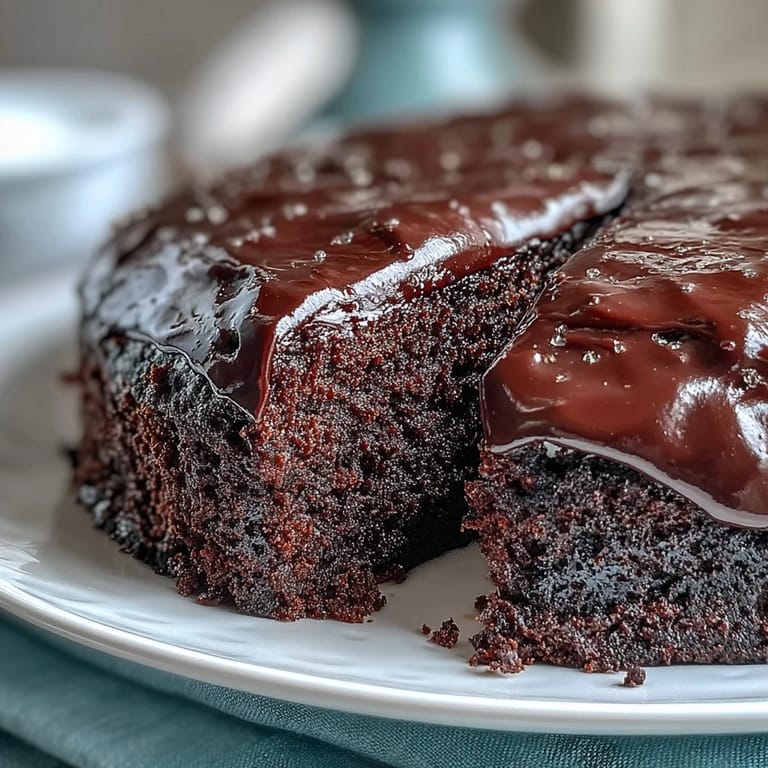
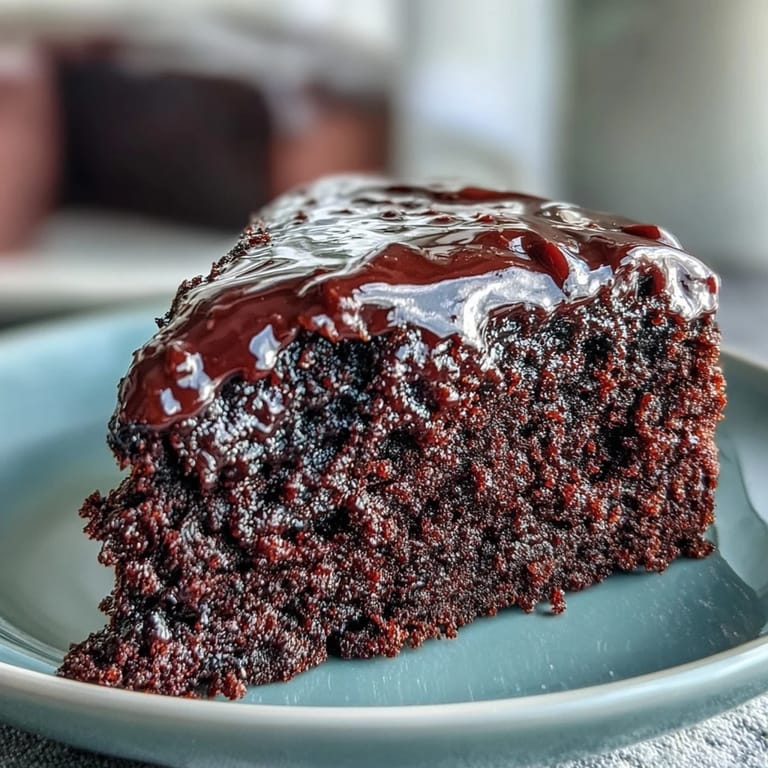
The magic of this cake isn't just in the chocolate or sugar; it's in getting the bake time exactly right. The moment that skewer comes out with moist crumbs, you've hit the sweet spot between underbaked and overdone. I've learned that watching ovens is as important as the recipe itself, and every oven has its own personality.
Making the Icing Smooth and Glossy
A silky icing hinges on three things: sifted icing sugar with zero lumps, chocolate and butter melted together until completely smooth, and milk added so gradually you can actually feel when to stop. The first time I made this icing too thick, I couldn't spread it without dragging the cake layer underneath, so now I always start thick and loosen it bit by bit.
Storing and Serving This Cake
This cake genuinely improves over a day or two as the flavors settle and the crumb sets slightly firmer, which is rare and wonderful. Keep it in an airtight container at room temperature and it'll stay moist and delicious for up to three days, or you can even freeze the cooled layers before icing and assemble them fresh whenever you like.
- Serve it with a dollop of whipped cream or a handful of fresh raspberries to cut through the richness and add a little brightness.
- If you're feeling indulgent, try spreading a thin layer of raspberry jam between the cake layers before the icing for a subtle berry undertone.
- A slice tastes best at room temperature with a cup of strong tea or good coffee, because cold chocolate doesn't reveal its full flavor.
 Pin it
 This cake has fed celebrations and comforted bad days in equal measure, and it never once asked for anything more than patience and a little care. Make it, enjoy it, and watch how people soften around a slice of proper chocolate cake.
Frequently Asked Questions
- → Can I use milk chocolate instead of dark chocolate?
Yes, but the cake will be sweeter and less rich. Dark chocolate with at least 50% cocoa solids gives the best fudgy texture and deep flavor.
- → Why is my cake dry instead of squidgy?
Overbaking is the most common cause. Remove the cake when a skewer comes out with a few moist crumbs, not completely clean. Also ensure you measure ingredients accurately.
- → How do I store leftover cake?
Keep it in an airtight container at room temperature for up to 3 days. The icing helps maintain moisture, keeping the cake squidgy.
- → Can I make this cake in advance?
Absolutely. Bake the layers a day ahead, wrap them well, and store at room temperature. Ice the cake on the day you plan to serve it for the best appearance.
- → What can I add between the cake layers?
Raspberry jam works beautifully for a fruity contrast, or try chocolate ganache, buttercream, or even a layer of whipped cream for extra indulgence.
- → Can I freeze this cake?
Yes, the un-iced cake layers freeze well for up to 3 months. Wrap each layer tightly in cling film and foil. Thaw completely before icing.